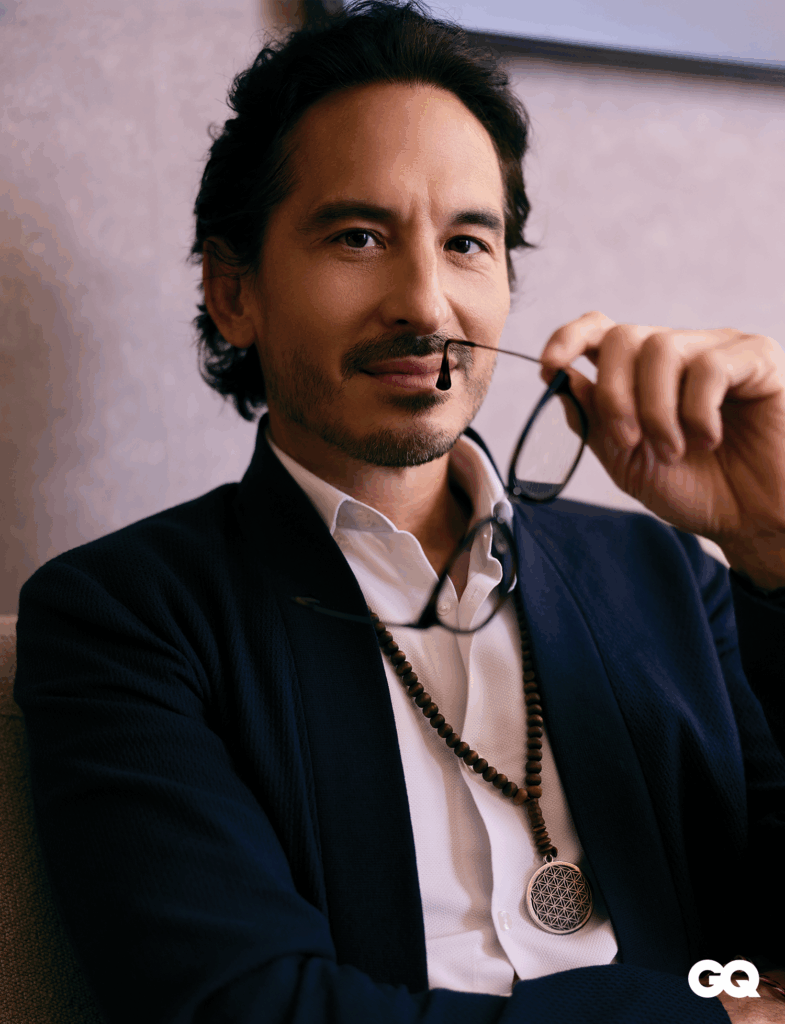
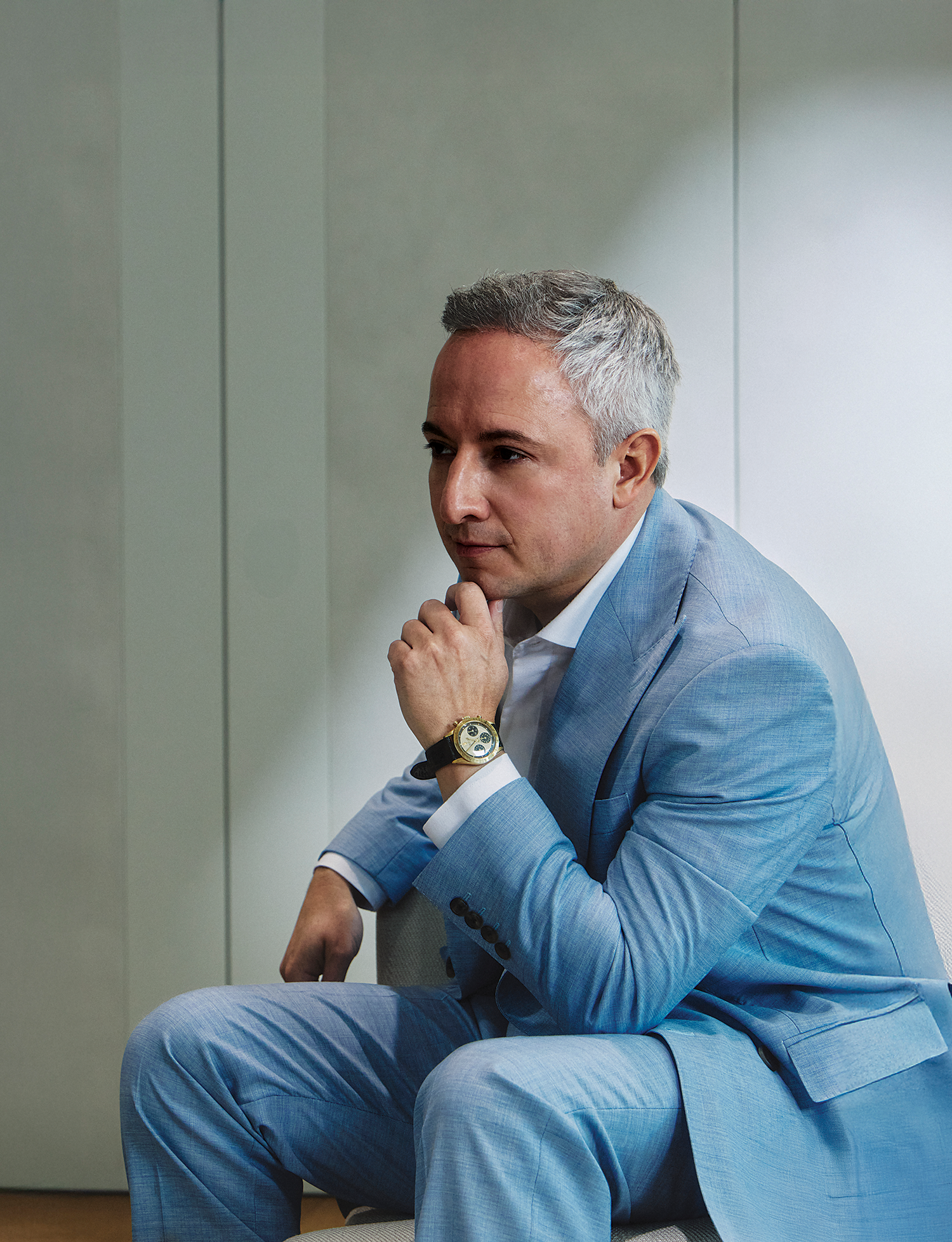
As the head of Christie’s watch department in Asia Pacific, Alexandre Bigler deals with “time” every day. In his philosophy of wealth, time is perhaps the only form of asset that cannot be created, borrowed, or replaced. “When I hold a century‐old timepiece in my hands,” he says, “I see not just superlative craftsmanship, but also the mind that designed it, the artisans who assembled it by hand, the family that treasured it, and the historic moments it silently witnessed.” In his eyes, true wealth is never about the gains or losses on a balance sheet; it is about whether we can become guardians of time rather than mere passers‐by, and whether we can pass on precious objects imbued with warmth and stories into an unknown future.
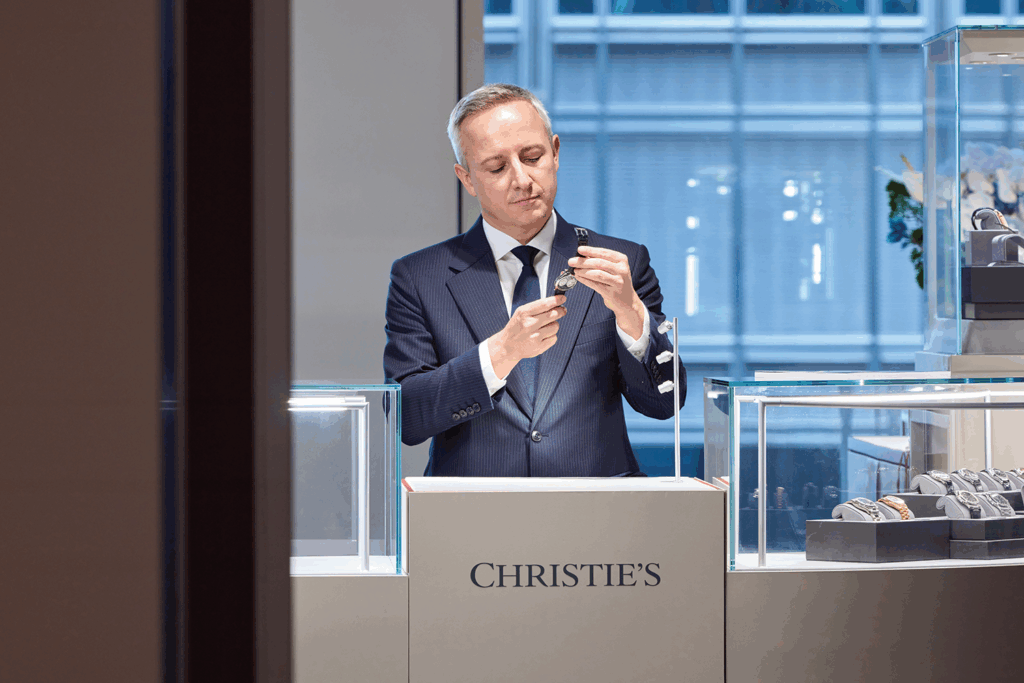
Alexandre’s own career is itself a richly seasoned “world‐timer” watch. Starting in Switzerland, he worked successively in Geneva, London, and Bangkok before taking the helm in Hong Kong—each city adding a unique cog to his journey. “Every city taught me something different. Switzerland gave me technical rigour; London showed me the importance of scholarly research; Bangkok taught me that relationships are built on trust; and Hong Kong revealed speed and entrepreneurship.” He adds with conviction: “The most important lesson I’ve learned is that expertise can get you through the door, but only character keeps it open. The most valuable capital I have accumulated in my career has never been financial—it is credibility.”
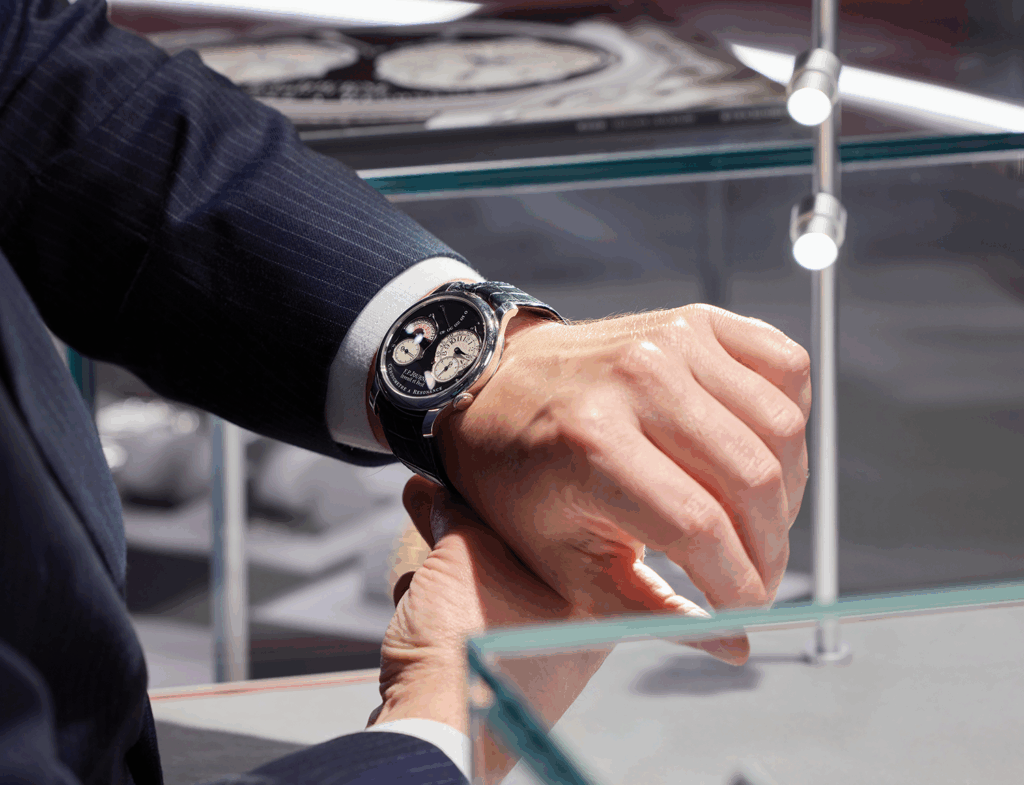
With the auction market flourishing, watch collecting has long since evolved from a mere hobby into a highly investable asset class, even finding its way into discussions of asset allocation within family offices. Yet Alexandre observes that only those who can seamlessly blend personal passion with an investment perspective can ascend to the ranks of the most distinguished collectors. “Buying purely for investment tends to tip into speculation; buying purely on emotion can lack discipline. The strongest collections are always built at the intersection of passion and knowledge.” When a collector begins to look beyond individual references and starts thinking holistically— studying rarity, provenance, production numbers, market liquidity, historical significance, and long‐term supply, rather than just following trends— they gradually develop a keen instinct for watch investment. But Alexandre emphasises: “That does not mean removing emotion. Quite the opposite. Emotional conviction often leads collectors to discover extraordinary pieces before the wider market has recognised their value.”
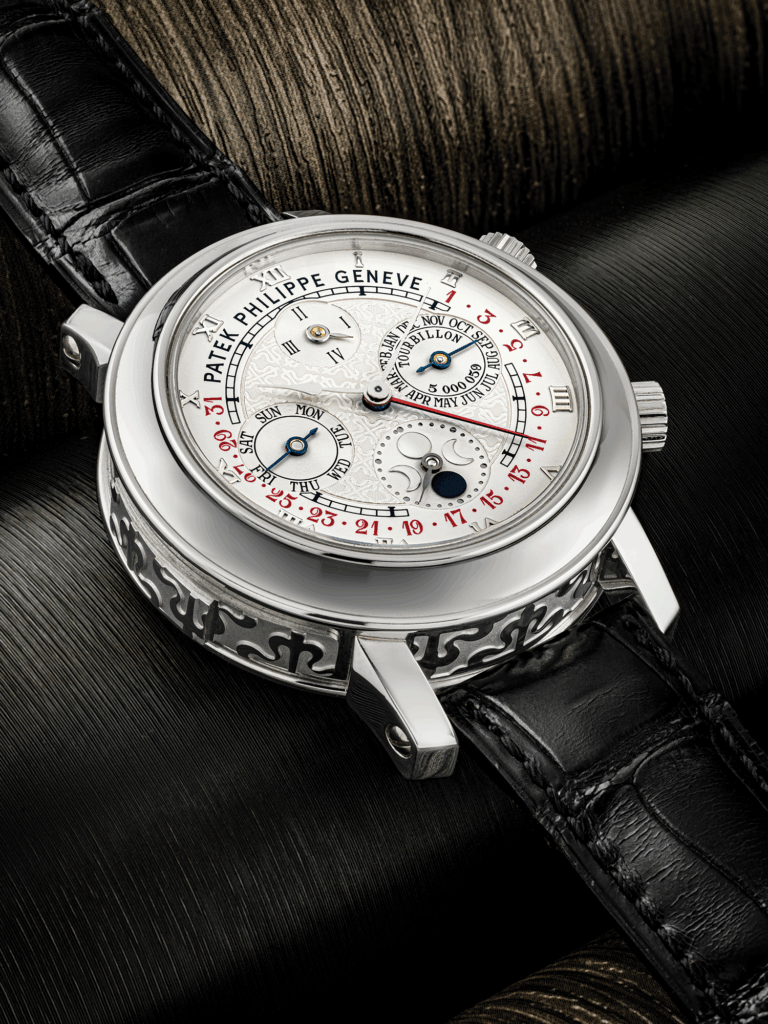
“Watch collecting reflects an appreciation for craftsmanship, permanence, and heritage—qualities that, far more than any short‐term trend, define truly enduring wealth.”
For many newcomers to the auction world, a common dilemma is whether to follow auction records or simply trust their own instincts and preferences. Alexandre usually tells them: do both, but strike the right balance. “As a rule of thumb, I believe about seventy percent of a collection should consist of watches you genuinely love—pieces you would be happy to hold regardless of market conditions. The remaining thirty percent can be more opportunistic— acquired for their rarity, historical importance, or market value.” Markets have their ups and downs and cyclical patterns, but personal taste tends to be far more enduring. If you only chase auction results, you will forever be pursuing yesterday’s successes. If you act solely on emotion, you may overlook crucial factors like condition, originality, or liquidity. The most valuable collections find equilibrium between the heart and the mind.
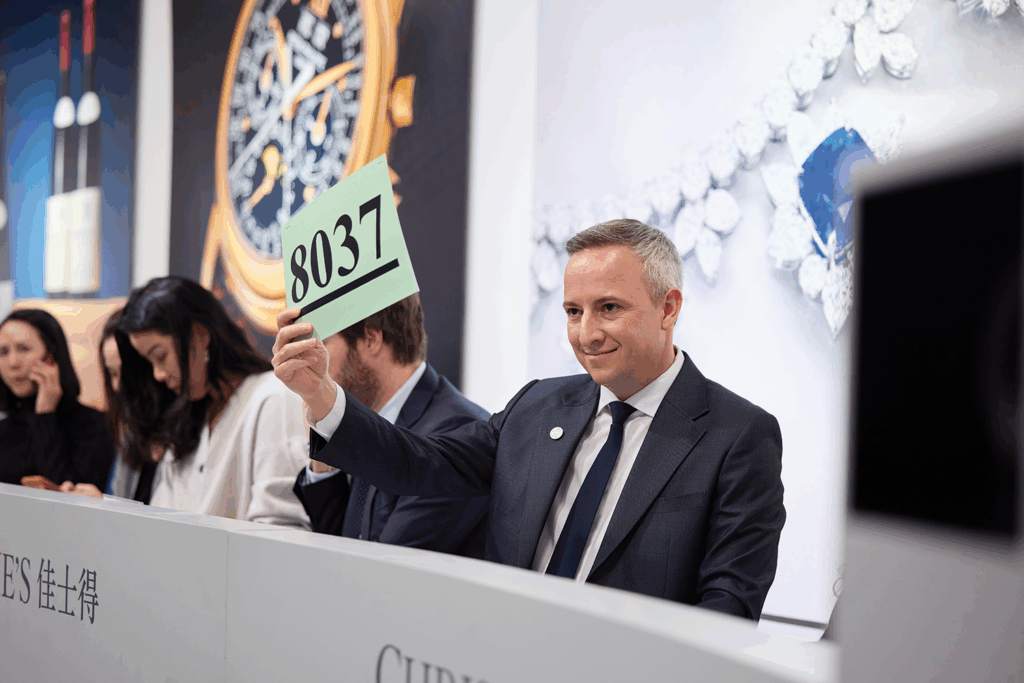
On the subject of liquidity—a perennial concern in the investment world—Alexandre cites three key factors: desirability, rarity, and global recognition. The most liquid pieces, he notes, are those with an international collector base, transparent market pricing, and consistently strong demand across continents—such as certain vintage Patek Philippe models, exceptional Rolex sports watches, and leading independent watchmakers’ creations. “But remember,” he cautions, “liquidity is not the ultimate goal of collecting. Some watches deserve to stay in a collection for decades, because their historical significance deepens with time. Extraordinary complications, unique provenance, or museum‐calibre works often grow in importance as surviving numbers diminish. A great collector does not only ask, ‘Can I sell it for a profit tomorrow?’ They also ask, ‘Will this watch still matter in thirty years?’— and these are two fundamentally different questions. The former is mere transaction; the latter is legacy.”
In an age that worships speed, a great wristwatch can teach us the meaning of patience. It reminds us that excellence is slowly forged through the long sedimentation of time. Watch collecting reflects an appreciation for craftsmanship, permanence, and heritage—qualities that, far more than any short‐term trend, define truly enduring wealth.
Photography: Gregory Chong
Photo Courtesy of Christie’s Images Ltd. 2026