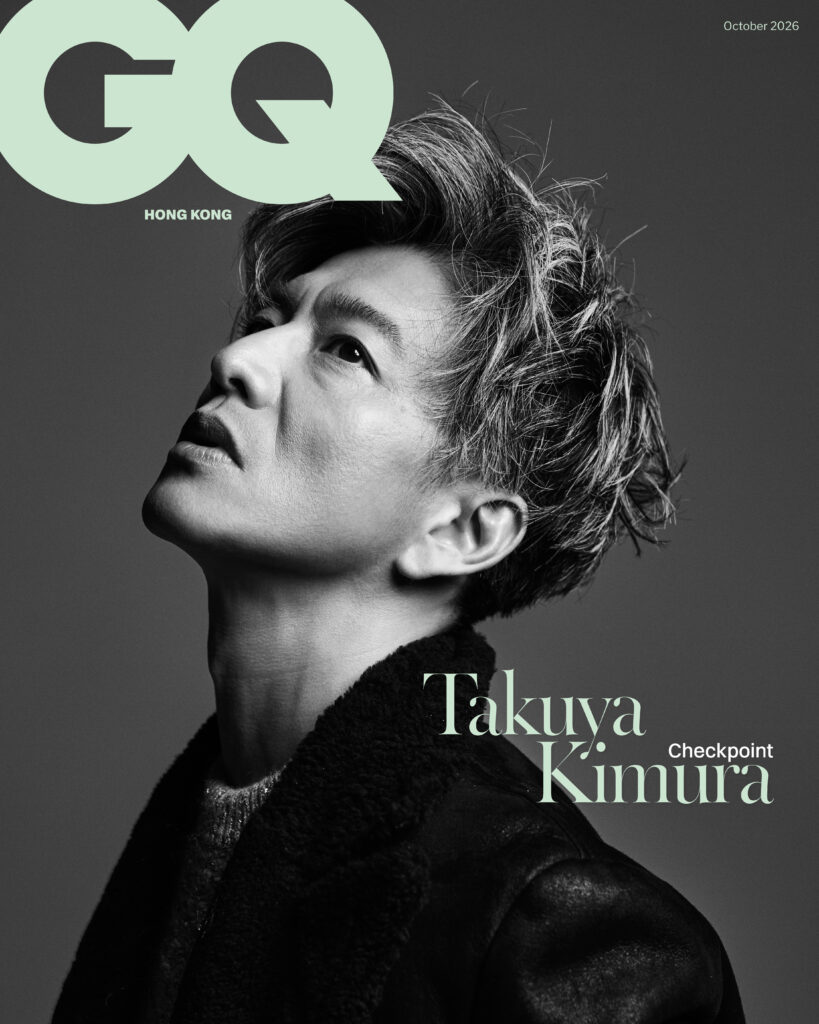
For years, we’ve been accustomed to consuming Charlie Puth through the glow of our smartphone screens—the tousle-haired musical savant enthusiastically deconstructing pop hits on social media via his flawless perfect pitch. He has been the internet era’s most uninhibited auteur, broadcasting every creative spark and intimate life detail into the digital ether. Yet, when a man crosses the threshold into his thirties, the truest mark of maturity is often discovering the profound art of empty space and silence. Now married, and having just welcomed his newborn son, Jude, the superstar who once thrived on constant noise has deliberately chosen to change his frequency.
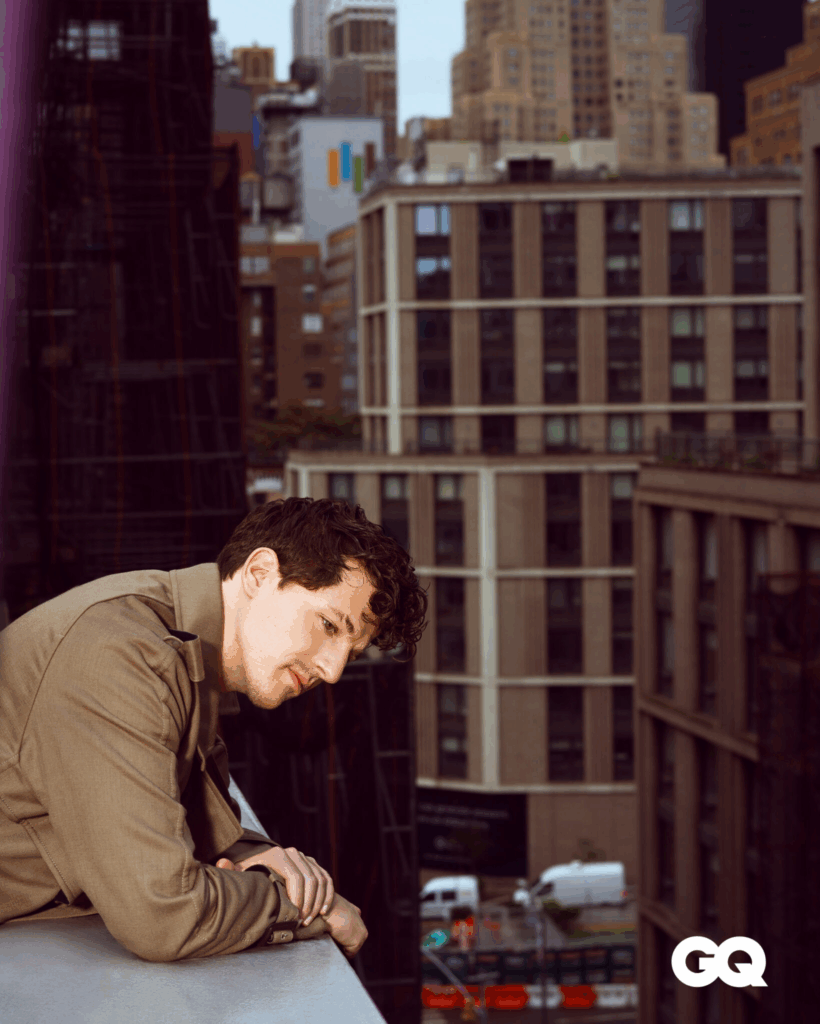
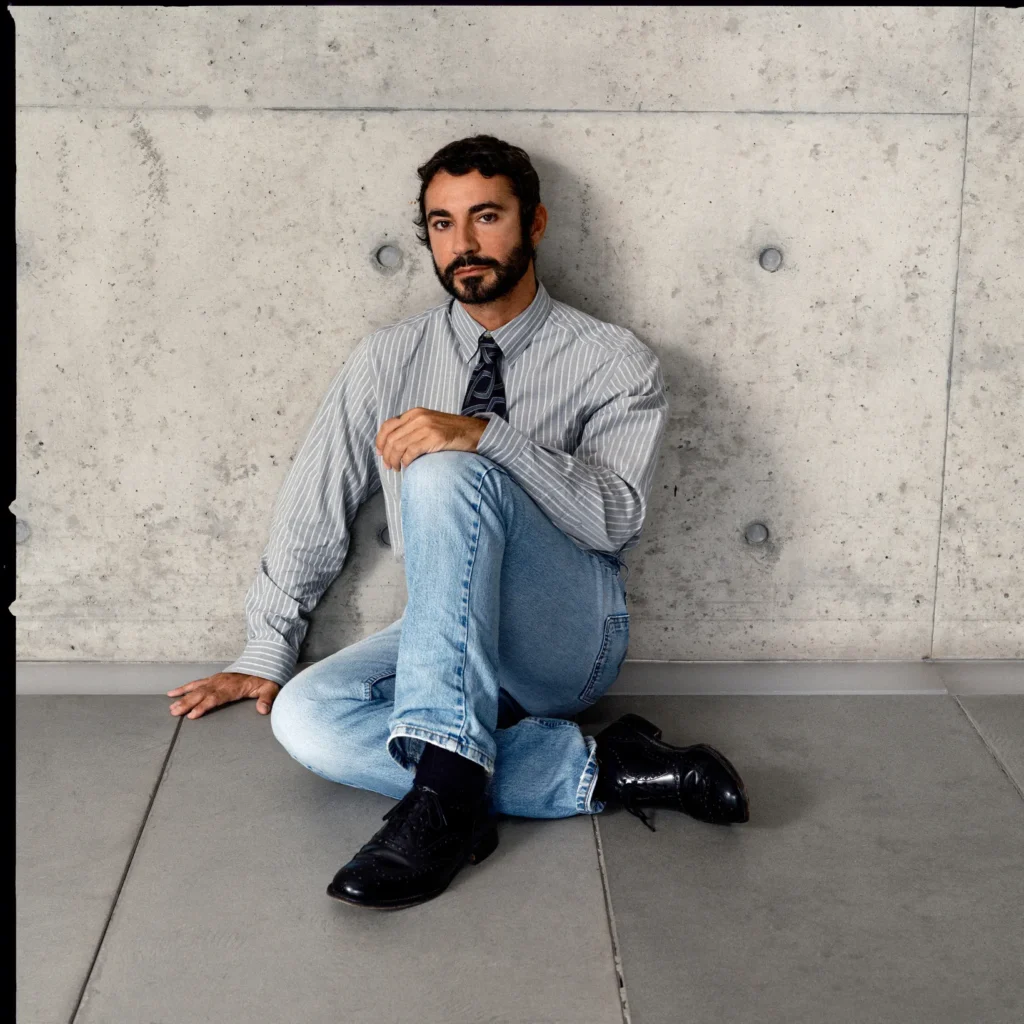
Shoes, Brunello Cucinelli
Opposite Coat, Brioni
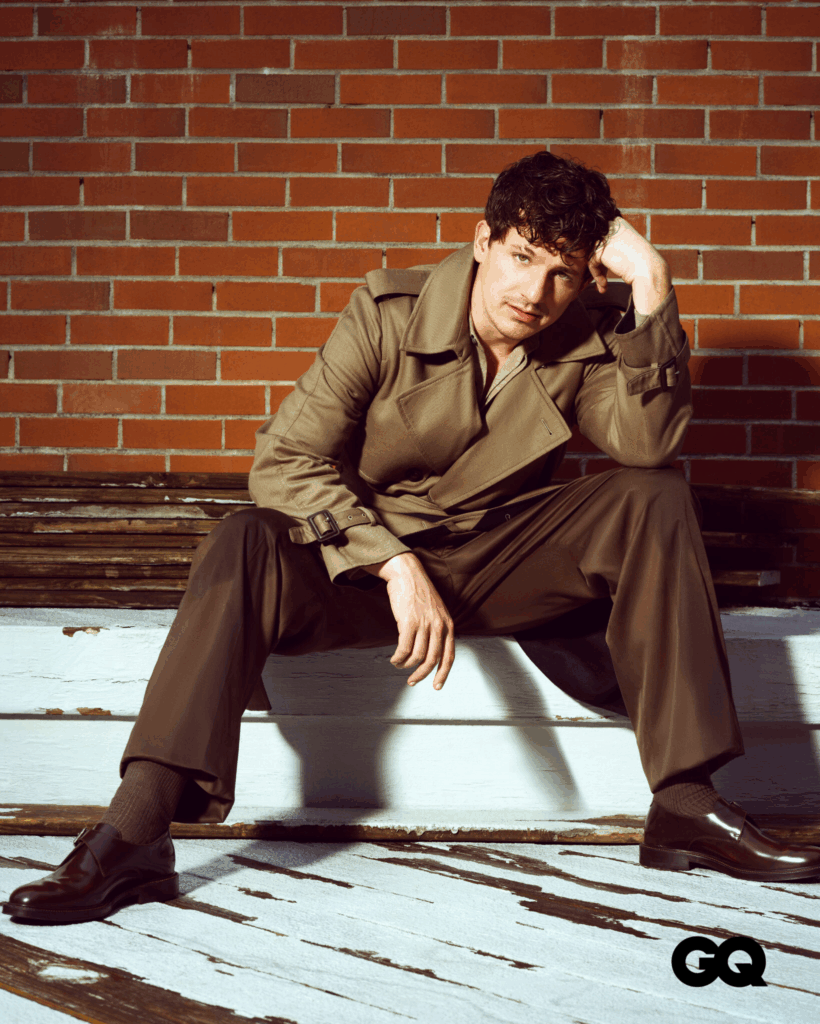
Shoes, Brunello Cucinelli
Opposite Coat, Brioni
Meeting our gaze through the lens this time, Puth has entirely shed the restless energy of a boy desperate to prove his genius to the world. A shift in identity and the arrival of a new life have gently paused his internal chaos. He has naturally dialed down his outward volume, trading loud streetwear for the sharp, tailored elegance of a leading man. Rather than laying his every emotion bare, he has learned to construct deliberate boundaries around his reality, filtering out the static of public expectation to protect what truly matters.
This evolution is far more than just a shift on his musical spectrum; it is the quiet, assured declaration of a man who has finally found his center of gravity within a boundless sea of sound. In this exclusive cover story, the modern maestro sits down with us to discuss fatherhood, the luxury of letting go, and the quiet, deeply fulfilling moments that exist far beyond the spotlight.
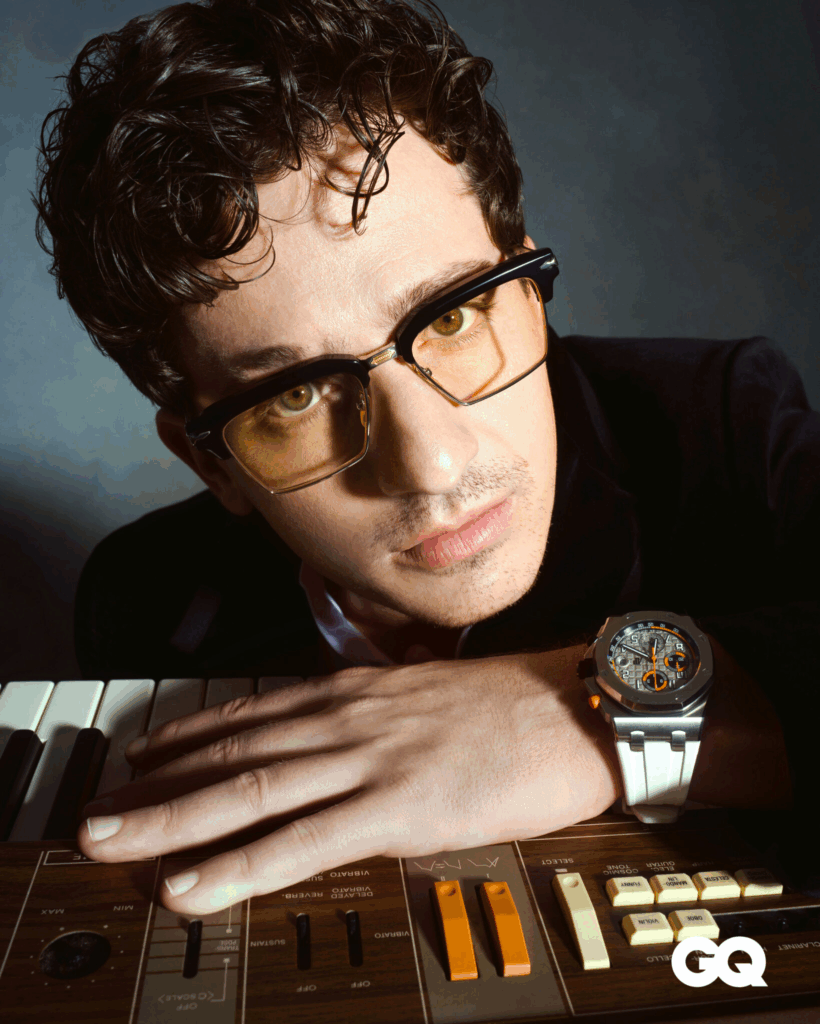
Sunglasses, Tom Ford.
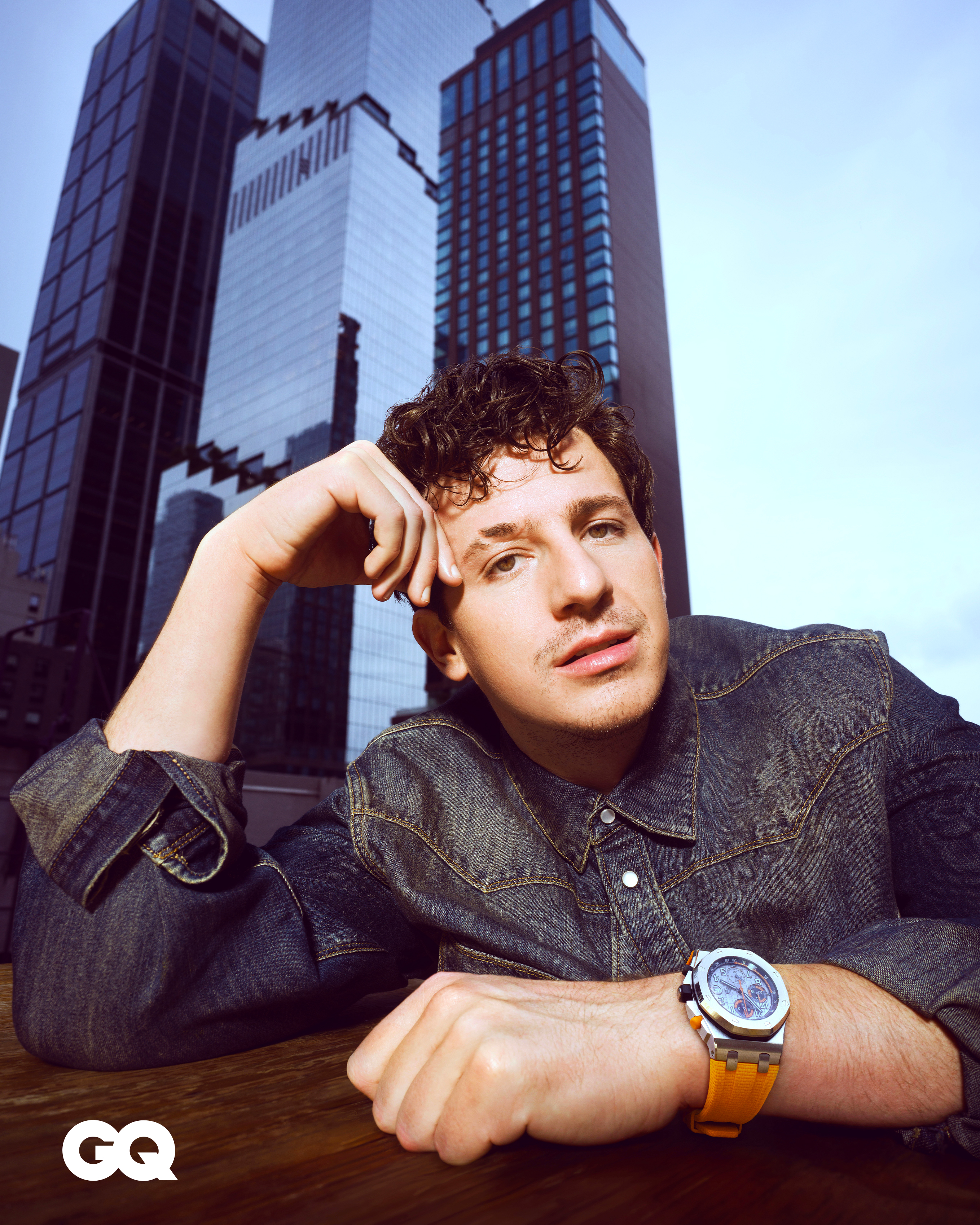
Royal Oak Offshore Selfwinding Chronograph 42mm, Audemars Piguet
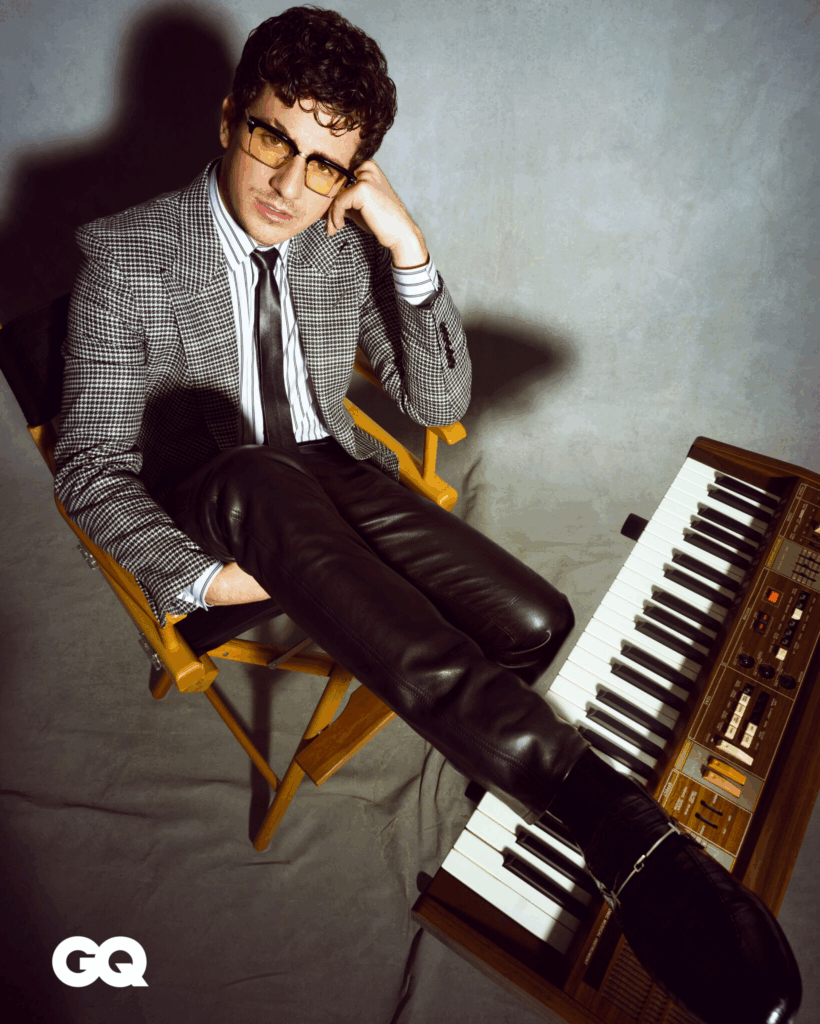
Sunglasses, Tom Ford.
Royal Oak Offshore Selfwinding Chronograph 42mm, Audemars Piguet
GQ: How has your son Jude reacted to your music so far, and have you noticed any early signs of him inheriting your perfect pitch or reacting to specific vocal frequencies?
Charlie Puth: I think he’s at the stage now where he’s wondering why his dad is always singing sentences. He has these very intense eyes and will just stare at me so boldly while I do it. It’s pretty amazing to watch—you can literally see him absorbing everything. Who’s to say he’ll even pursue music one day? We’ll obviously support him no matter what. I just hope he’ll listen to James Taylor with me in the car.
GQ: Was naming your son Jude a direct musical homage to the Paul McCartney classic, or does the name hold a different, more intimate personal significance for you?
CP: It might be a pretty boring answer, but Brooke and I just loved the name Jude. His middle name is Crawford, which is a family name on Brooke’s side—Jude Crawford Puth just has a nice ring to it. I did always dream of playing “Hey Jude” in the delivery room, and he was born at the exact moment Paul sings “Na-na-na… nanananahhhhh… nanananahhhhh… Hey Jude.”
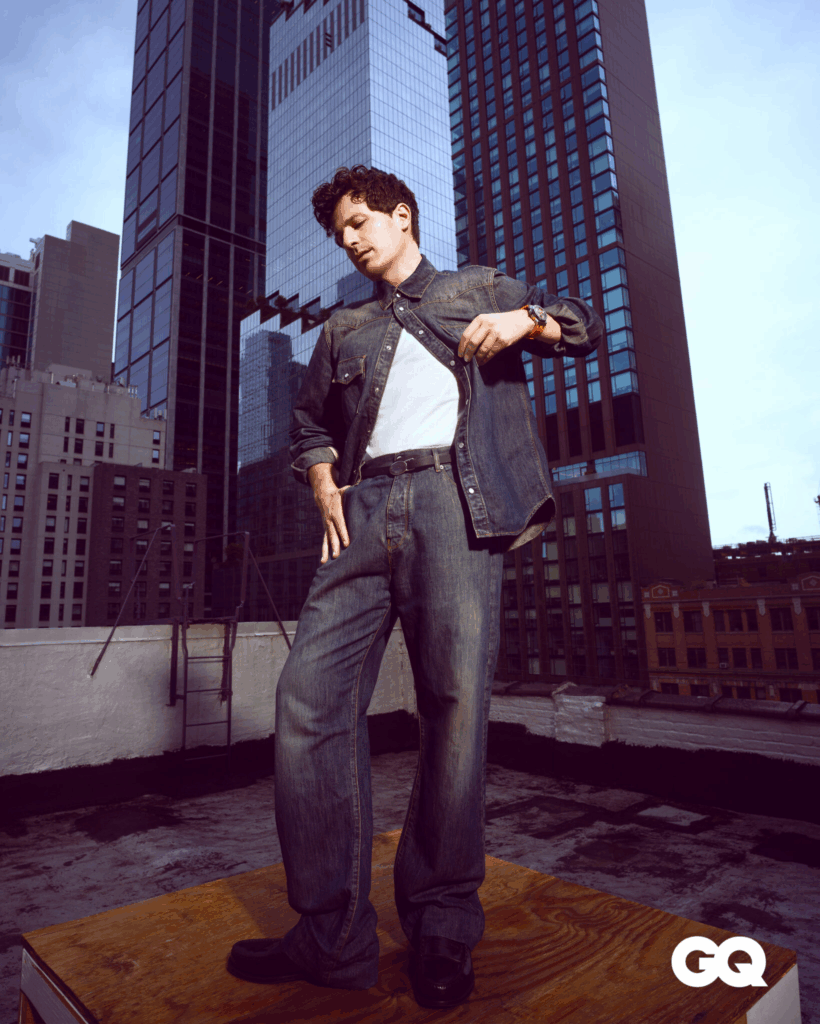
Royal Oak Offshore Selfwinding Chronograph 42mm, Audemars Piguet
GQ: In the music video for “Changes,” anchoring your pregnancy reveal to a giant toy piano felt highly symbolic. Was this a conscious artistic choice to bridge your adult milestones with your earliest musical beginnings?
CP: Yes. That music video was directed by Charlotte Rutherford, who is really one of the most talented people I’ve ever worked with. Our goal was to create this whimsical, early-Nickelodeon-inspired animated short of a musical world—one that shows what the inside of my brain is filled with: musical instruments and giant floor pianos.
GQ: Tracks like “Beat Yourself Up” explore a melancholic introspection. Having entered your 30s and started a family, how has your relationship with creative anxiety evolved, and what pressures have you finally allowed yourself to let go of?
CP: I’ve realized that everything else comes second to the well-being of your child. It’s no longer always about me—I have to make sure baby Jude is having the best day ever for the rest of my life. That mindset has changed everything for me. It actually makes me write better music because I’m no longer as concerned with whether people are going to like it. Even my biggest fans won’t always love every song I share with the world. I’ll always explore different musical realms, but all I can do is tell the truth, put a melody to it, and hope that someone out there felt what I felt when I wrote it. I’m also very fortunate that I can make music whenever I want. It’s constantly playing in my head 24/7.
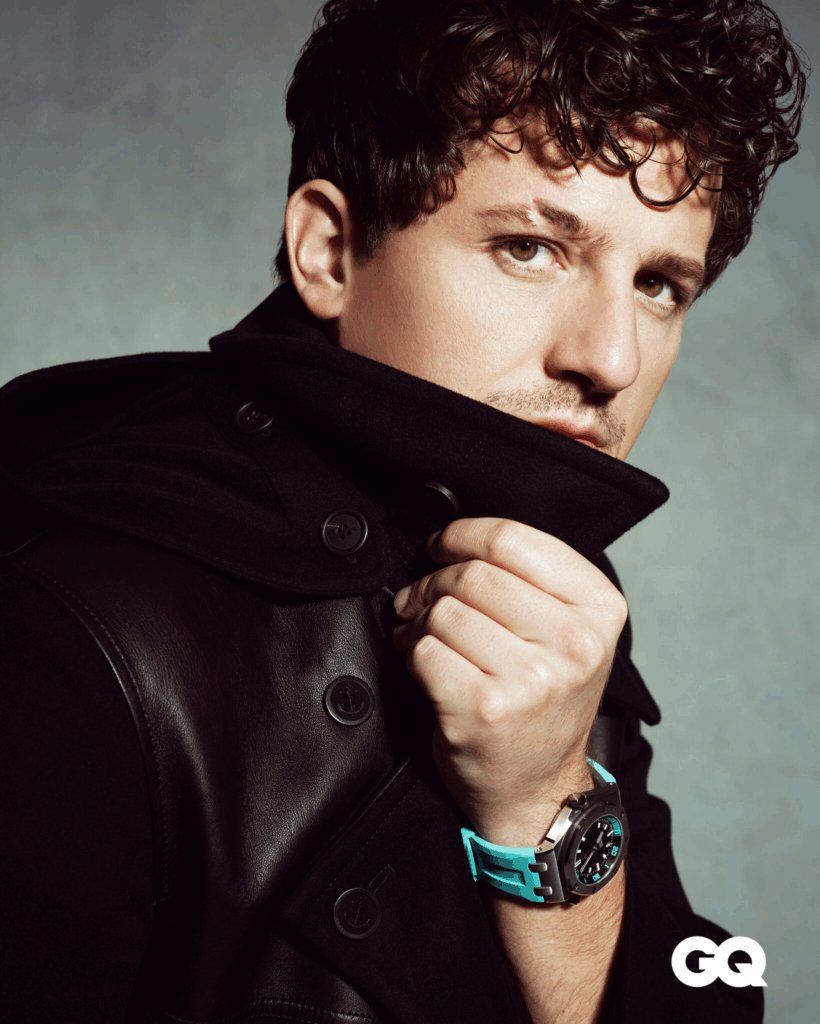
Royal Oak Offshore Diver 42 mm, Audemars Piguet
GQ: As an artist who pioneered unprecedented transparency on social media regarding the music creation process, have you deliberately begun establishing stricter boundaries between your personal life and the internet now that you are a father?
CP: Yes. I was getting a little carried away, sharing every little detail of my life. I’ve naturally taken a step back and realized that not everything is meant to be shared—musically or otherwise. I want to protect my family. I yearn for those normal, quiet weekends outside of work. I still will share my love of music on the internet always though.
GQ: You have demonstrated strong comedic instincts in projects like The Prank and on late-night television. How do you balance this deadpan humor with the melancholic, romantic vulnerability often found in your discography?
CP: Some of the best art has a foundation of comedy. I find it easier to tell the truth and open up when there’s a little joke hidden in there.
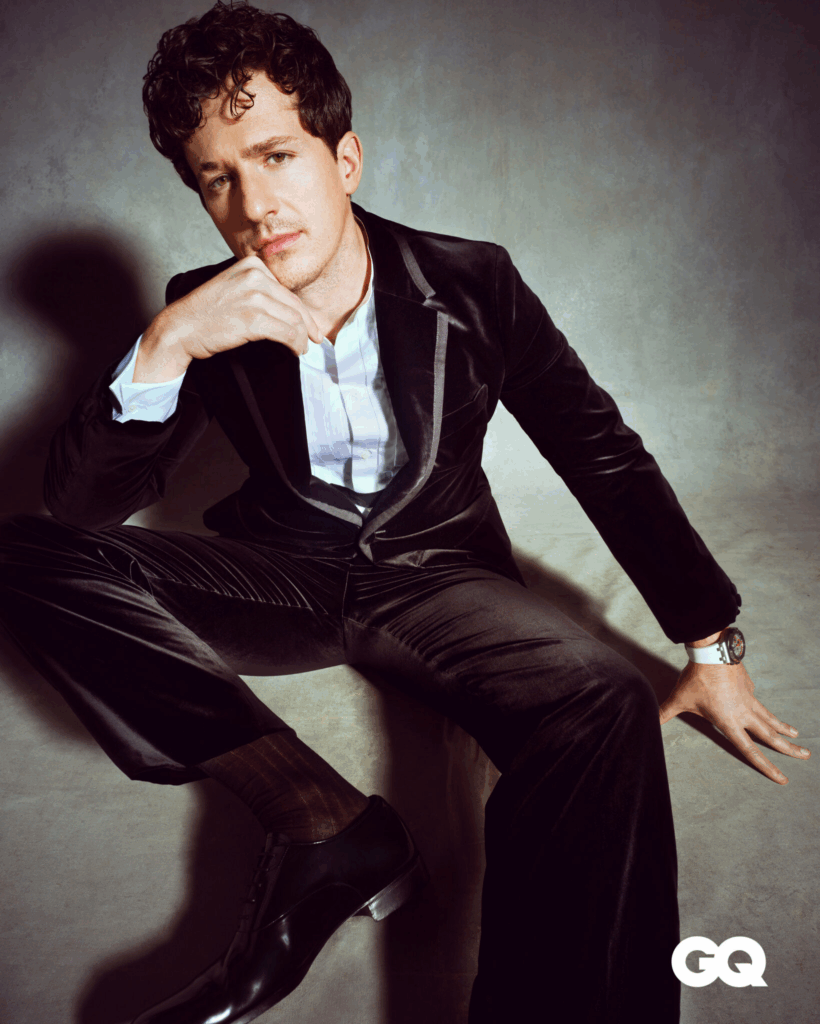
Royal Oak Offshore Selfwinding Chronograph 42mm, Audemars Piguet
GQ:As you prepare to perform at Hong Kong’s brand-new Kai Tak Stadium next year, what specific energy, production elements, or surprises can fans anticipate for this milestone show?
CP:I’m very grateful that I get to play stadiums all around the world, especially in Asia. But my goal will always be for the music to sound close, intimate, and crystal clear in those big rooms, so everyone in the crowd feels like I’m singing directly to them. I care probably more than the average person about how the mix sounds in the PA. Everything has to be balanced and just right. Fans can expect the best pop show they’ve ever heard, with the most amazing, talented band I’m lucky enough to share the stage with.
GQ:Hong Kong possesses a highly unique, dense urban soundscape. If you were to field-record and sample one specific sound from the city for a future track, what would you seek out?
CP:I would most likely eavesdrop on people having casual conversations over coffee or dinner. There may be the coolest lyric ever said inadvertently.
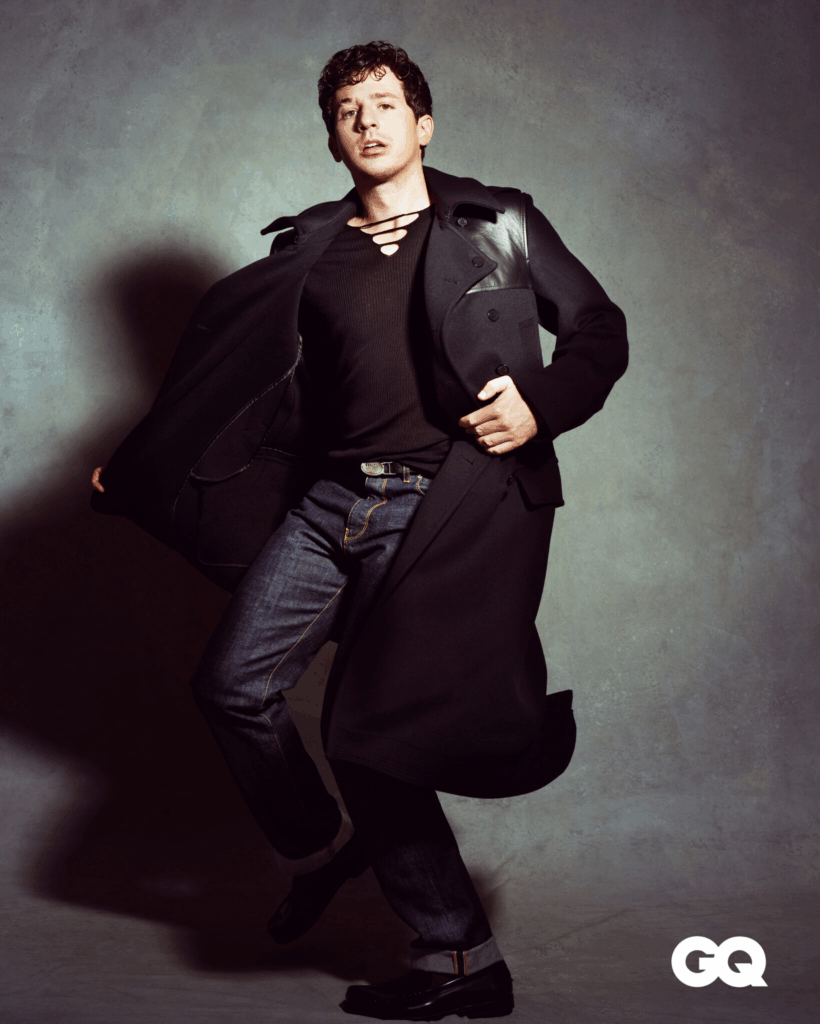
GQ:Following your wedding and your transition into a new chapter of life, how has your personal aesthetic and fashion sense evolved? Are you gravitating more toward understated luxury and tailoring over streetwear?
CP:I wear a lot of “show up to work” clothing nowadays. I always admired the teachers in my life who dressed for the part—it made me want to focus more on what they were teaching. That’s where all the ties and sweaters come from: a nod to Ross Geller and Mr. Davidson, my 7th-grade math teacher. I love Jonathan Anderson, and I have so many Gap T-shirts I wear when I’m not “in class.” Everything has become a little less loud in my life by design, just because that’s really who I’ve always been. I’m just letting the world know that for the first time.
Photography Giel Domen
Style Director Jenine Oh
Executive Producer Alexey Galetskiy
Stylist Grant Woolhead / Exposure New York
Casting Jill Demling
Groomer Stevie Barbieri
Producers Ivan Shentalinsky, Alexandra Strasburg
Photo Assistants Harry Kong, Ernesto Urdaneta
Fashion Assistant Alexis Kossel