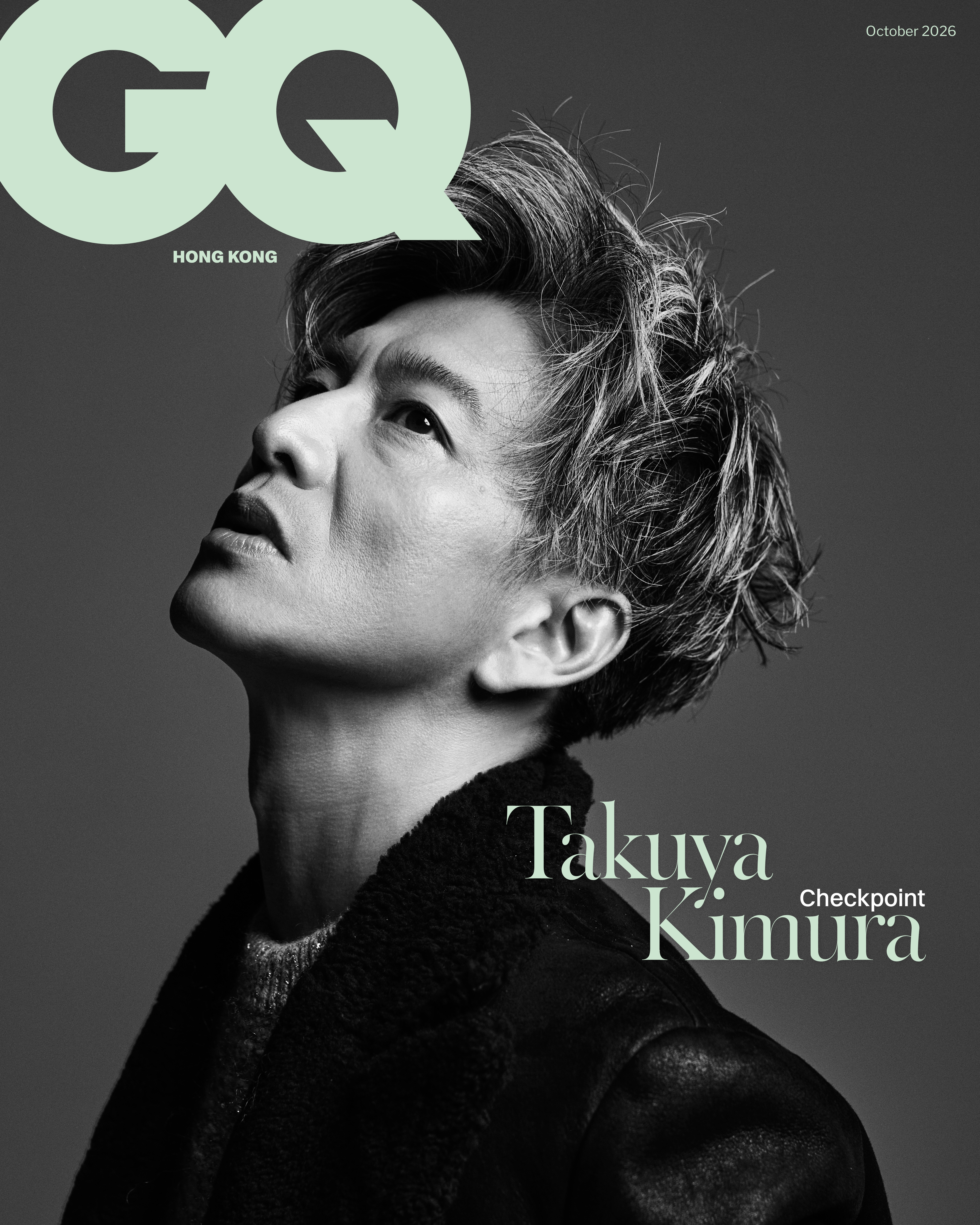
Time seems to move at a more graceful pace for Takuya Kimura, yet it has also etched a far more profound mark upon him.
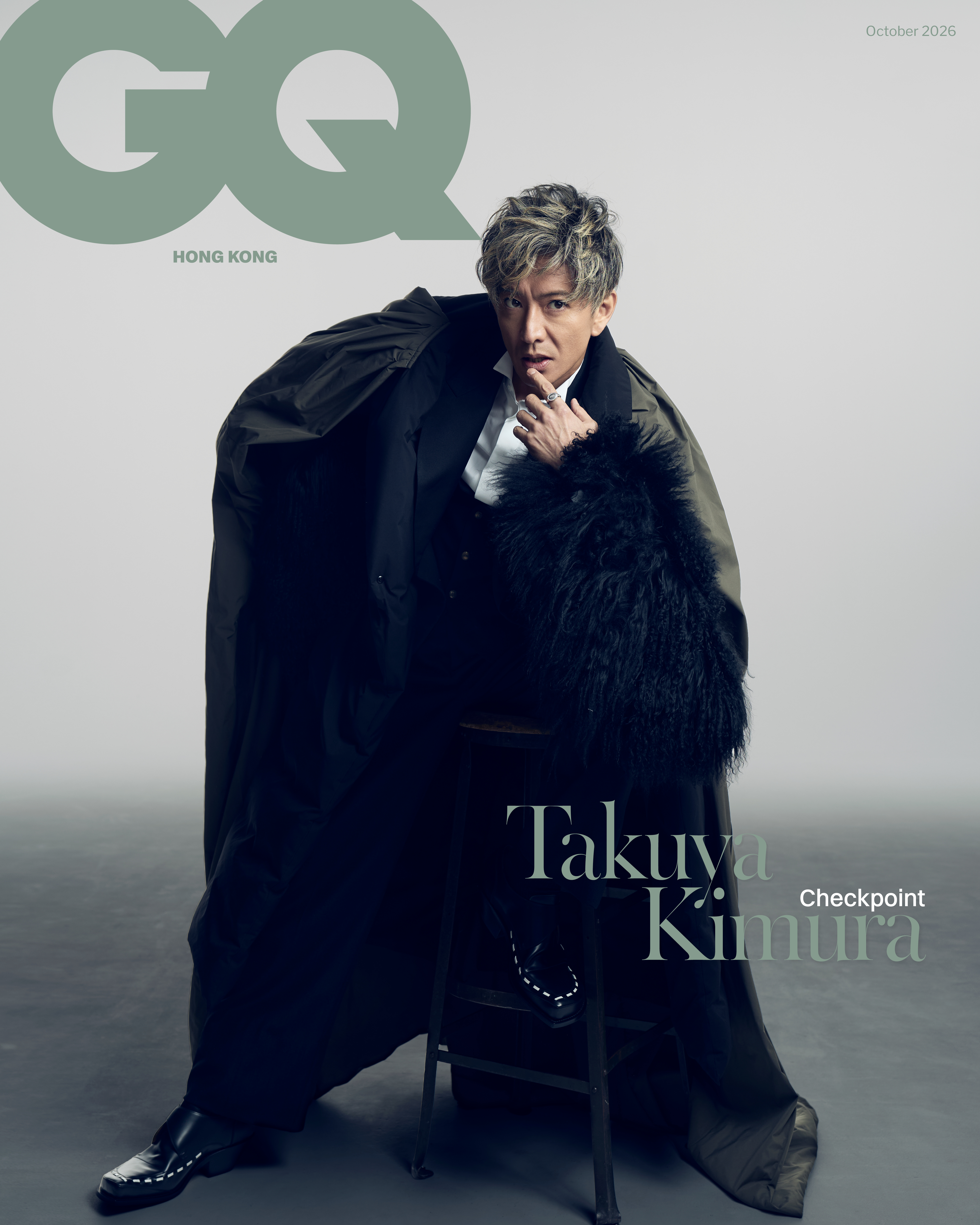
Over a 35-year career, his name has long commanded absolute devotion in pop culture. Yet, as the rest of the world sprints forward at breakneck speed in an endless pursuit of maximum convenience and efficiency, the man who has always been at the vanguard of the era is doing something unexpected. This summer, having shed the mantle of his longtime record label to release his new album “Checkpoint” and embark on an Asian tour, Kimura deliberately established a “Checkpoint” for himself.
This is not a grandiose, top-down retrospective of his legacy; rather, it is a deeply gentle summons. GQ is incredibly honored to serve as a landscape within this very checkpoint, marking an unprecedented milestone: for the first time in his 35-year career, Kimura has agreed to grace the cover of a Hong Kong magazine. At this meaningful juncture, the “baggage” he takes stock of isn’t fame or trophies, but the behind-the-scenes crew who quietly manifest his visions. He shifts the focal length of the spotlight back to the most fundamental, unadulterated bonds between people.
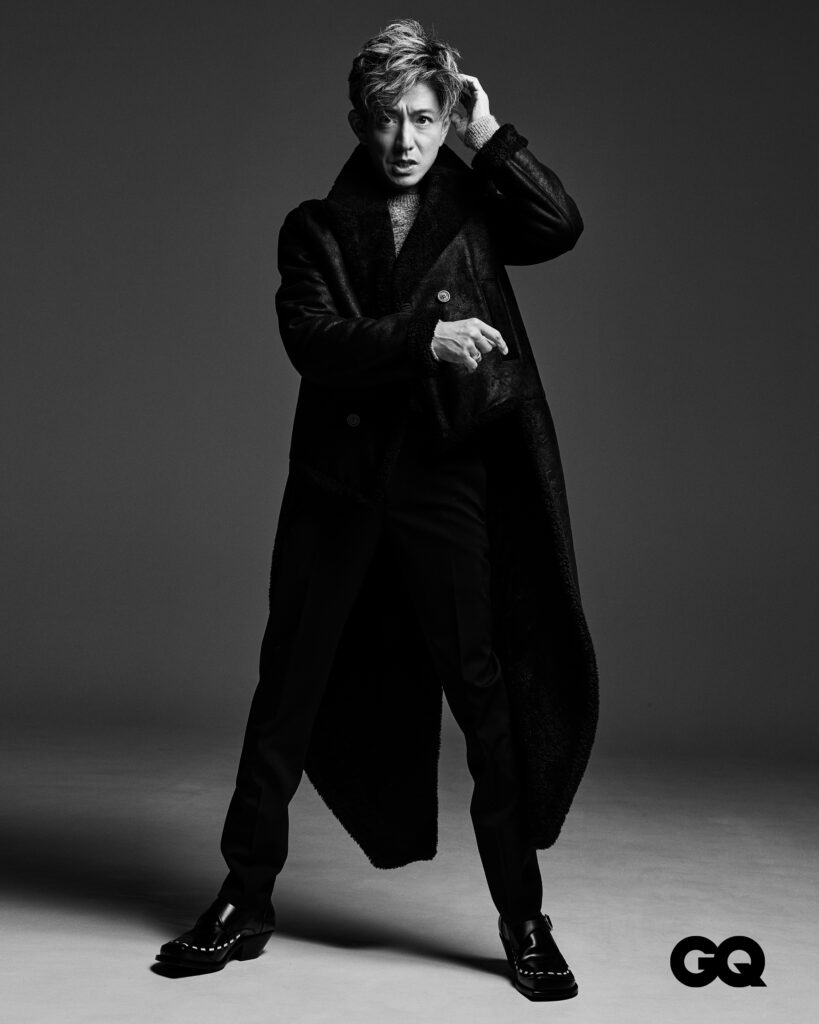
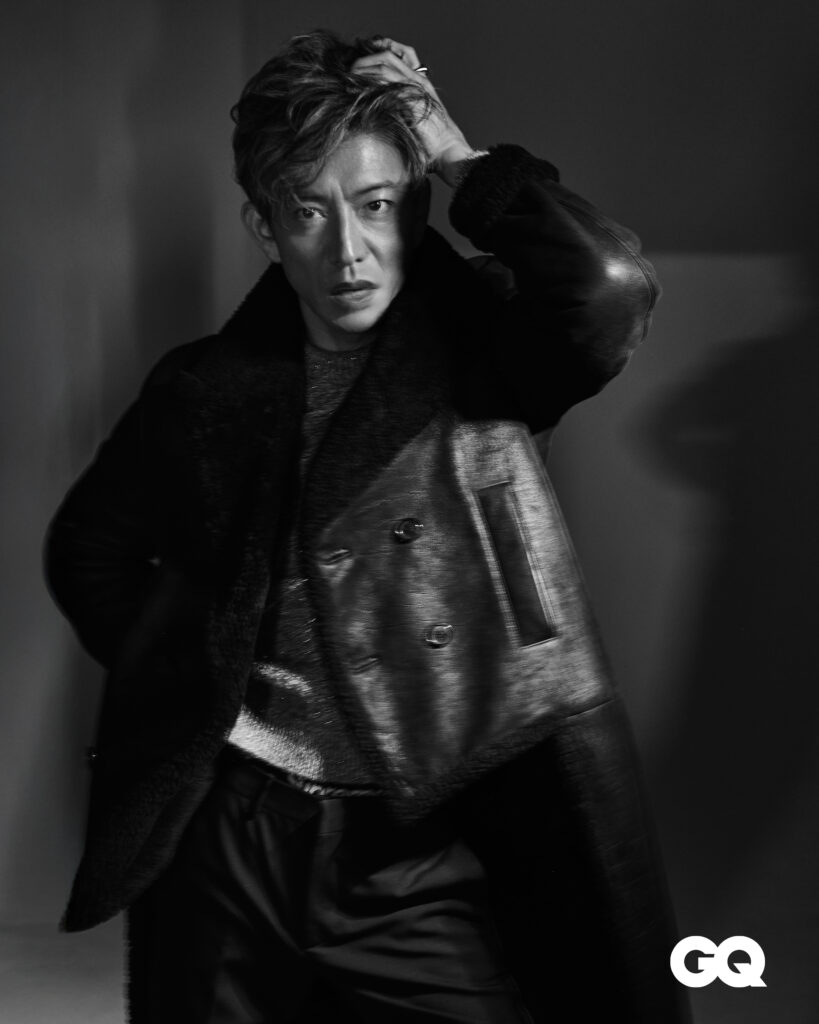
In this conversation, we encounter a fiercely authentic, perhaps even slightly stubborn, Kimura Takuya. He opens up about everything from navigating the rigid constraints of a past performance in Beijing, to his near-philosophical gaze on the delicate but necessary distance required within his own family, and even his unfiltered anxiety regarding extreme climate shifts and global conflicts. In his universe, there are simply no shortcuts. To him, the ultimate “session” means throwing yourself entirely into the fray, sweating it out with your collaborators until every last drop of energy is spent. In our over-packaged, hyper-synthetic era, that is his irreplaceable, ultimate form of romance.
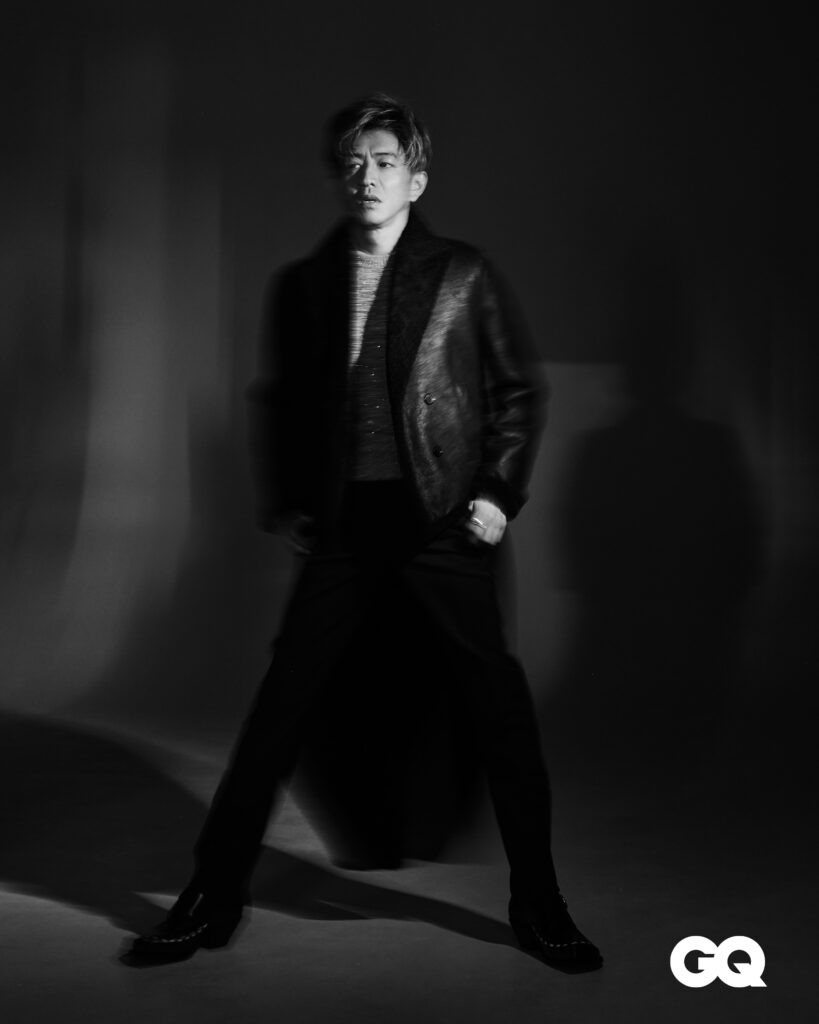
GQ: This summer, you released the album “Checkpoint”, followed by an Asian tour. Looking back over these 35 years, why choose this timing and this theme of a “checkpoint” to create a live tour and an album?
Takuya Kimura: Well, first of all, moving from Victor Entertainment, the label that had taken care of me for a long time… having made that transition, the timing felt right. How should I put it… not just within Japan, but I was still receiving heartfelt messages from people overseas asking, “Not yet?” So I thought, “Let’s do it while we can—at a time when it’s possible to do it.”
As for the title and theme of “Checkpoint,” it was about re-confirming what everyone means to me, what I mean to everyone, and mutually reaffirming our reason for being. Rather than it being centered around me, I wanted to create a “checkpoint” as a meeting place—a landmark where everyone, including myself, could gather. That’s why I chose “Checkpoint.”
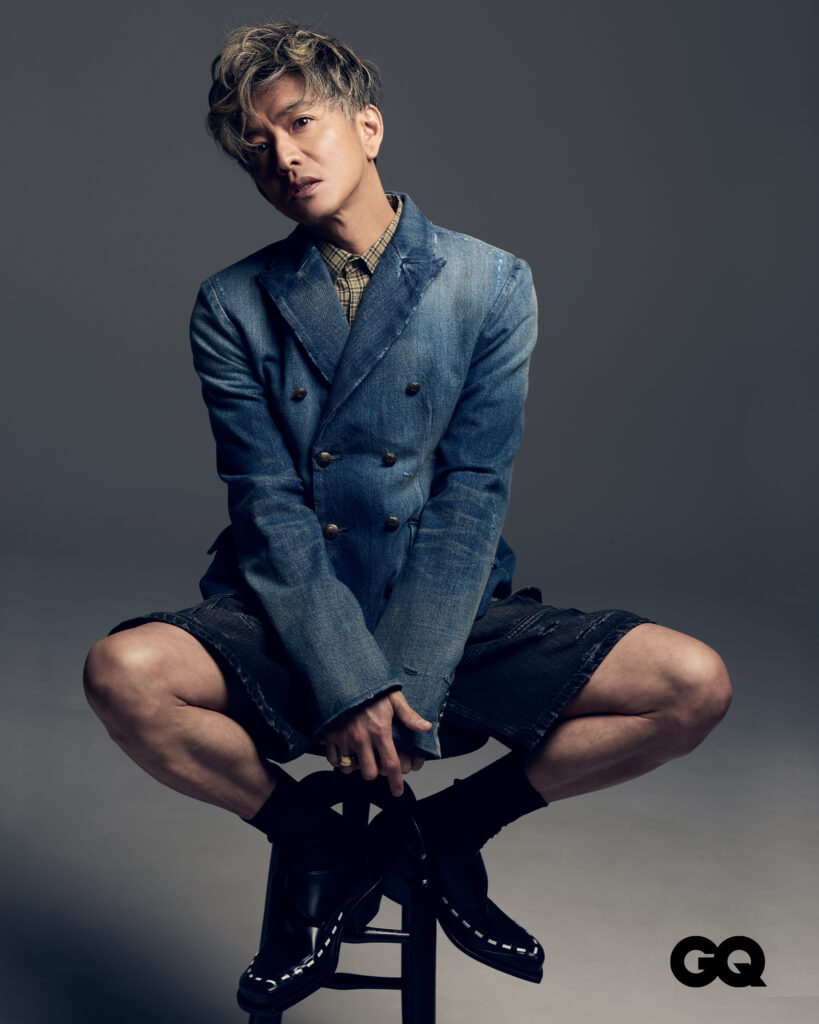
When organizing your “baggage” at this checkpoint, what did you discover?
What I found… Well, rather than accumulated things, it was realizing the presence of the staff who continue to support me, as always. Expressing gratitude to the place where I was originally based when moving labels, saying, “Thank you very much,” and feeling grateful toward the staff who work with me and brainstorm various ideas together… I felt that appreciation anew.
Right now, we are building the live show. If I were completely on my own, there would essentially be nothing—just me existing, just me living. But having people who create things together with me… I re-experienced the reality of their existence. And knowing that there are people waiting for what we create—we aren’t just making something to display in our own living room. People are waiting with excitement, saying, “Oh, they made something like this for us now.” Because we can share what we create with everyone, the presence of those people feels immense, and I was able to rediscover that.
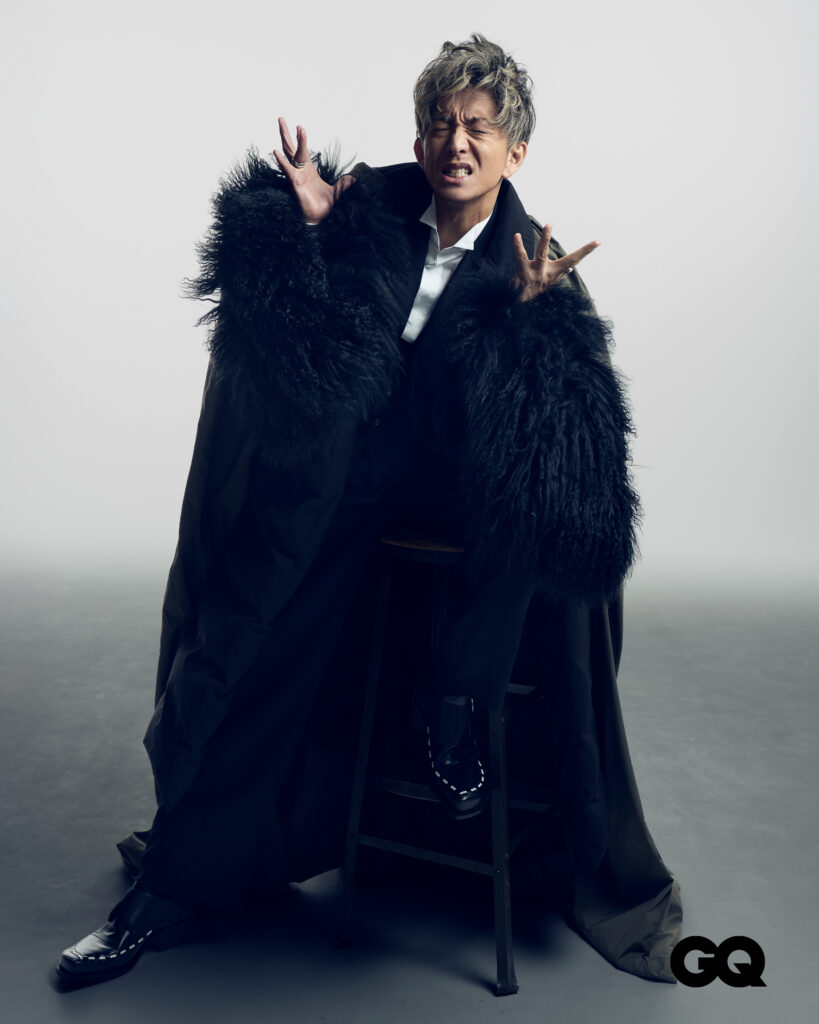
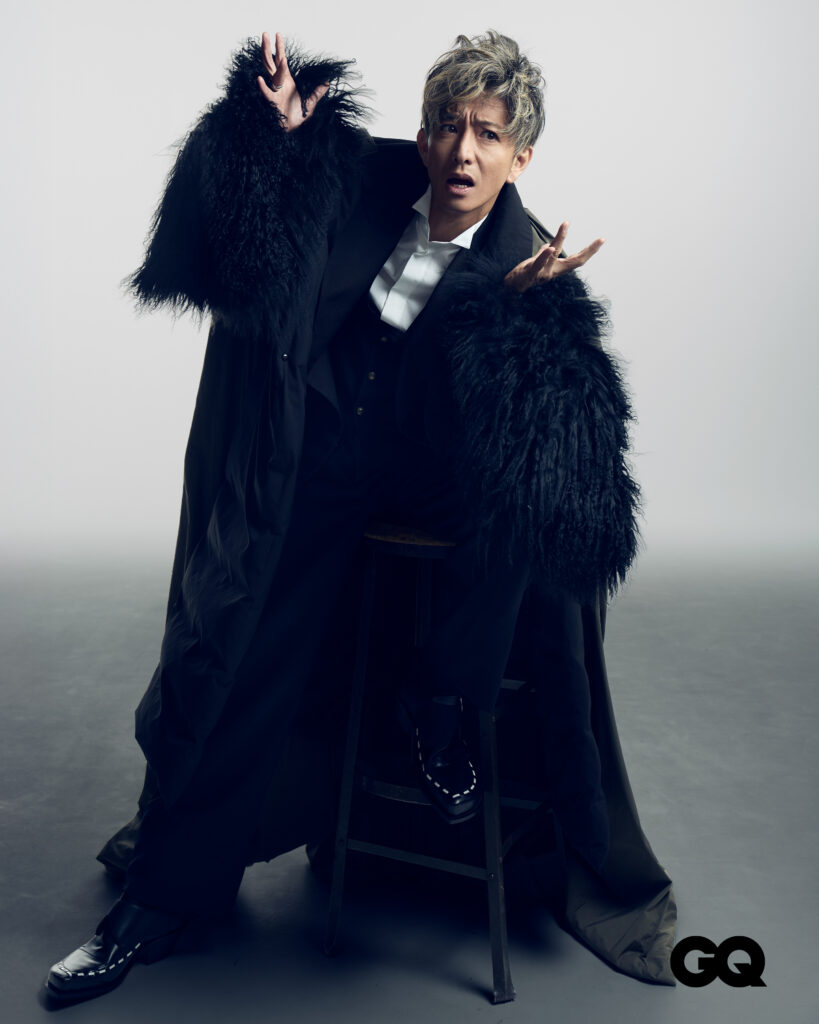
If you were to go to Hong Kong as a musician, what kind of synergy do you think you could create with Hong Kong fans?
I am currently scheduled to visit Taipei and Seoul, but until you actually arrive, see the space, and feel the audience’s reaction, you truly don’t know what it will be like. I don’t have experience there yet either.
I did visit Beijing once as part of a group. Even then… Well, I can speak openly about it now, but every place you visit has its own rules. If you visit, you have to respect and abide by those rules. Back during that Beijing visit, I was surprised. From opening to ending, no matter what music was playing or what performance was happening, the security staff—the local authorities—were completely rigid and motionless. There was a strict rule that if a man and a woman were on stage face-to-face for more than two seconds doing a performance, the show would be stopped right then and there. So we had to build our show according to those local rules.
As for Hong Kong, what we can do and what kind of people are waiting for us… we need to keep our antennas sensitive to that as we create. Ultimately, everything is based on what I am capable of doing right now. While maintaining that balance, I want to do whatever I can at that moment.
Recently, when you shot the commercial for Mynavi Tenshoku, you had a line: “The new self isn’t made alone; it is summoned by a role or a work, and built together with the director and co-stars on set.” Lately, has there been an episode where the cast or production team surprised you, or a moment that gave you a fresh perspective?
Surprise? Well, depending on the director, their way of capturing moments varies. Some directors will show an entire long scene in a single, untouched shot without doing anything. Others will shoot repeatedly, capturing finer details—from a laugh near the mouth to the dilation of the pupils—building a moment through countless takes.
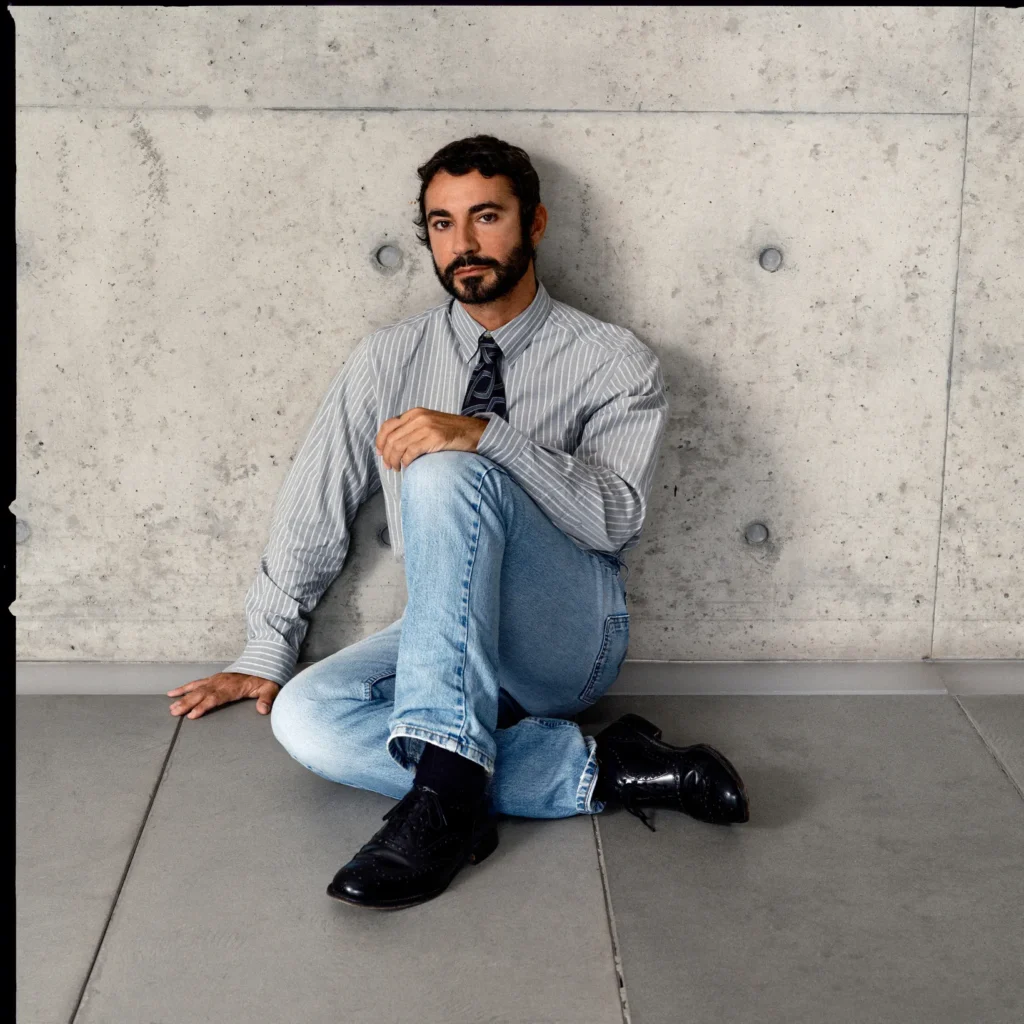
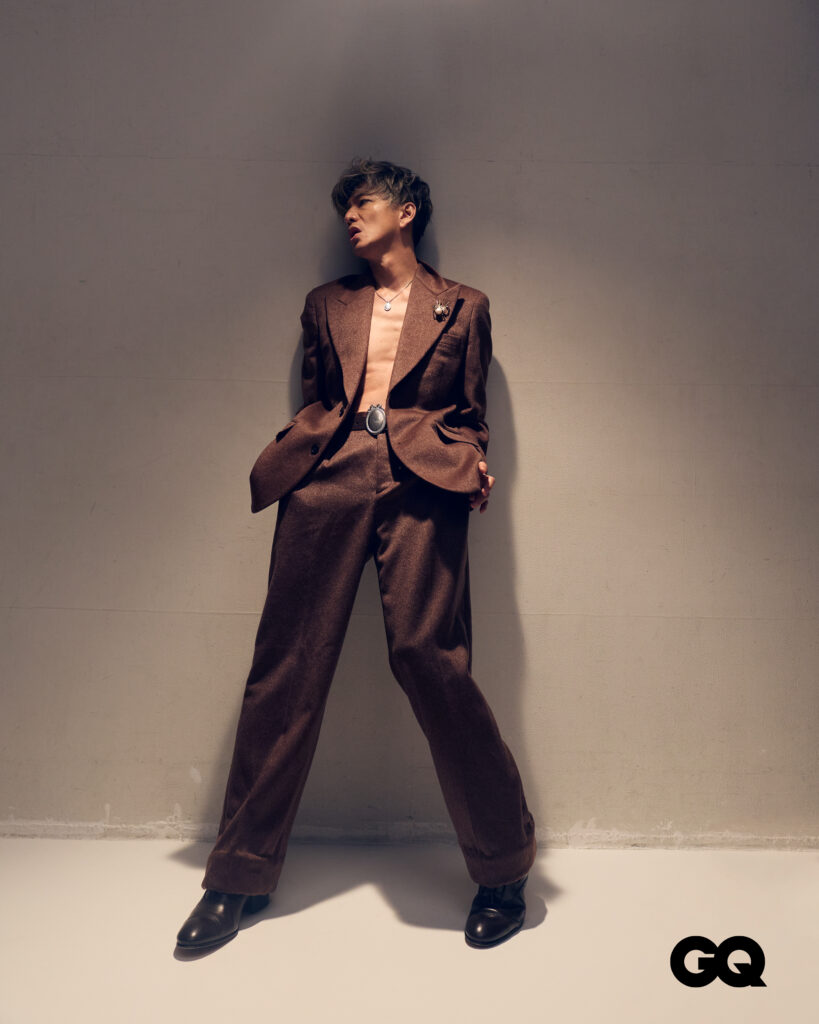
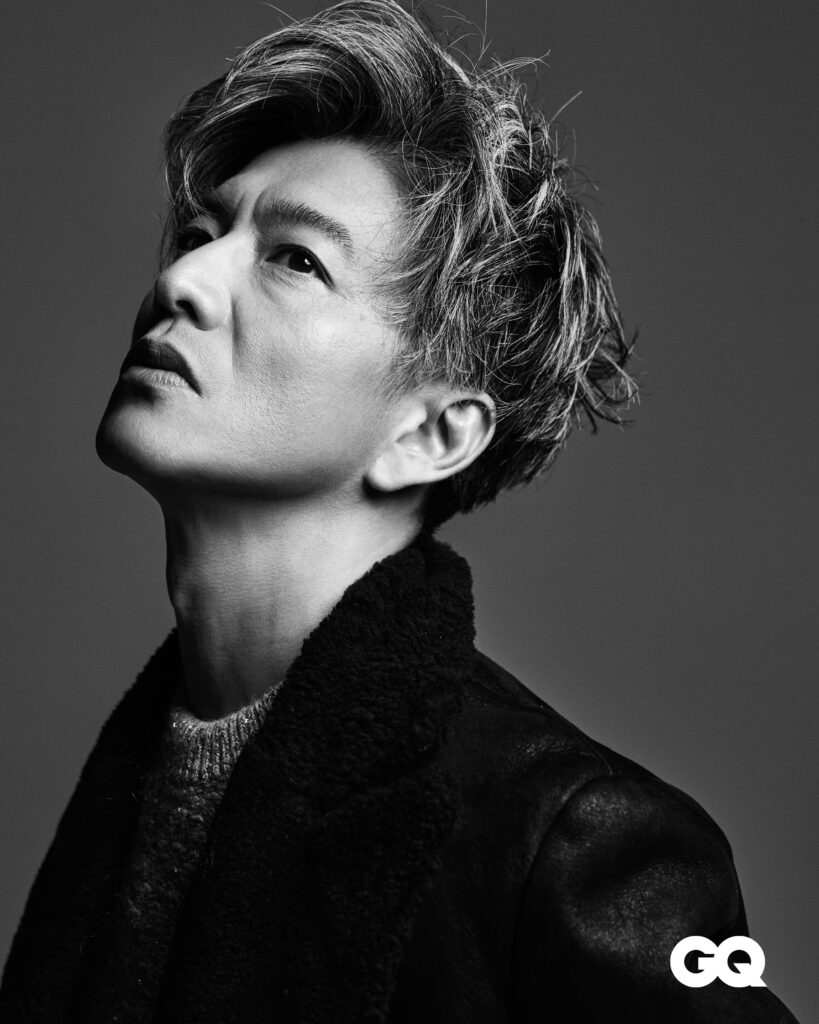
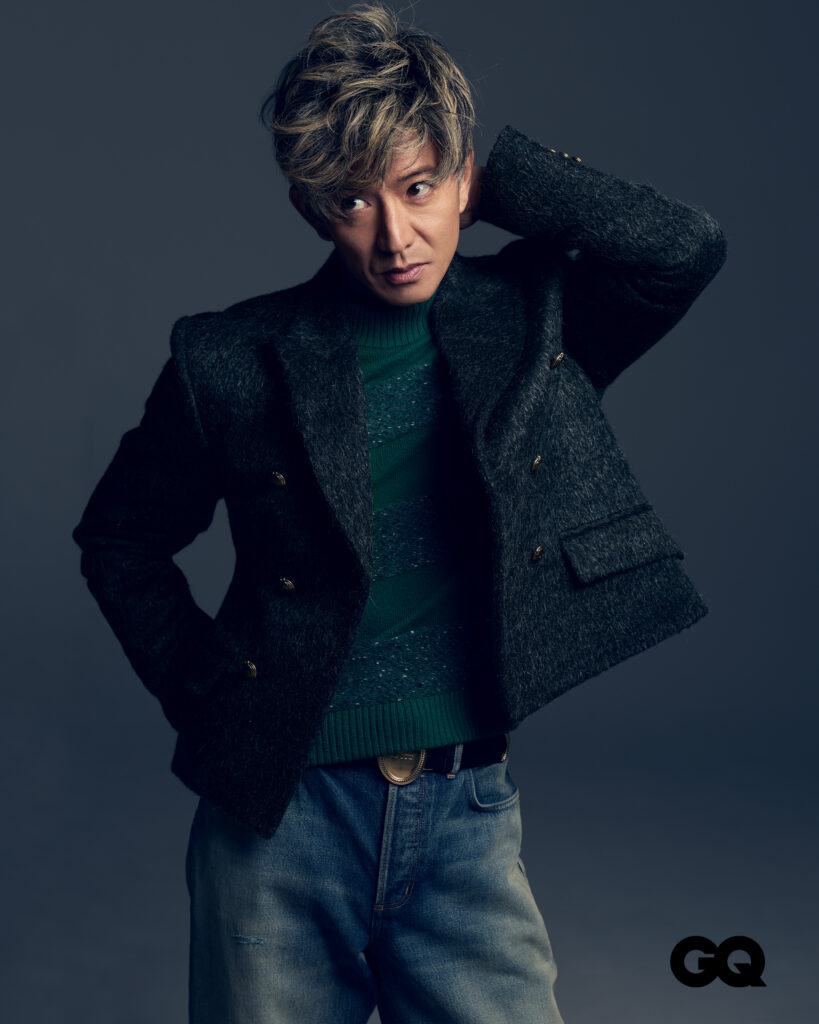
When I get on set with those people, that crew, and those co-stars for a specific project, everyone brings incredible energy. I feel truly blessed. Take today’s photoshoot, for example: no one is half-hearted. From the very first shutter click, everyone is fully engaged. There’s no one on set running on low gear; everyone is in an “I’m ready / We’re ready” state to welcome me. Being surrounded by their passion drives my own energy higher.
As for co-stars, it’s an honor when someone says, “I’ve watched your work for a long time, and I’m so happy to work with you.” That kind of motivation and passion on set is incredible. More than a “surprise,” experiencing that genuine passion and commitment every time at various sets is the most grateful thing, and the real surprise.
Hearing that everyone comes with such genuine passion must really raise your enthusiasm for work. But does that ever create pressure for you?
Of course, but it’s not a negative pressure. If you let that pressure turn into stress, it affects the energy you put out, which is bad for your body, the set, and the project. When pressure feels like stress, it becomes toxic. Instead, you have to turn that into energy rather than stress.
Things seem to be going very well with your work and family. If you had to choose how to spend a day—focusing on work or focusing on family—which would you choose?
It depends on the nature of the work! (laughs) But everyone in my family works too. Everyone is active in different fields. I consider myself blessed that everyone is able to work. It depends on the situation—for instance, if someone is in the middle of a live tour, or joined an overseas project, or has a major recital, while I’m preparing for a live show… Rather than choosing one over the other, we respect each other’s situations.
You often mention that “sessions” with others at work are very important. What does the ideal “session” state look like to you right now?
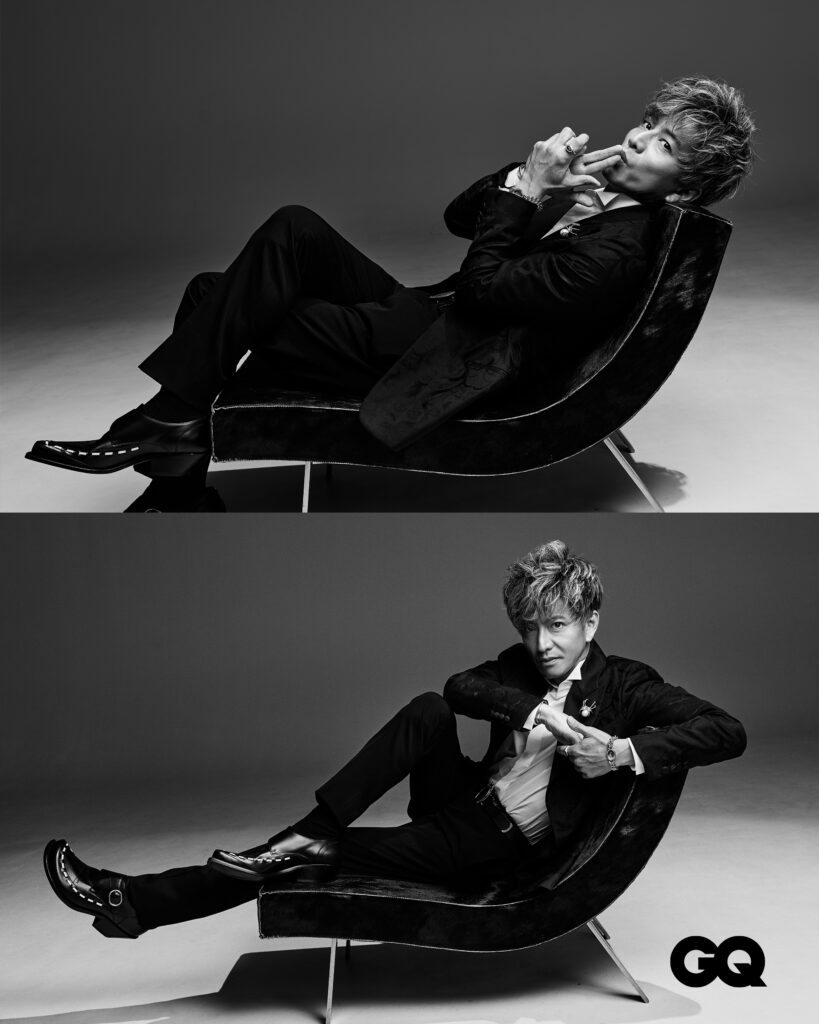
I think I’m old-fashioned in my approach. Nowadays, technology focuses on convenience, ease, and speed. I understand why people strive for that, and those conveniences and speeds certainly help us in some ways. But when it comes to me doing something… a great session—a time where I feel “that was a great session”—is when everyone uses their energy, works up a sweat, and at the end, everyone – not just one person, but every professional in their respective role and perspective, is completely exhausted together. That, to me, is a great session.
Looking back at life, is there something you wish you had realized much earlier?
What I wish I had realized earlier? There are many things, but perhaps some are better left unwritten…
Looking at the world today—like the earthquakes in Japan recently, or extreme weather where sea temperatures rise and terrifying typhoons form one after another—things we thought were far in the future are suddenly right in front of us. Yet it feels like people’s awareness and focus are being diverted away from it.
If people didn’t avert their eyes and truly faced these issues, things might be different… and the same goes for war. It’s like back in kindergarten or elementary school, when a kid tries to take something another kid has by force, and the teacher says, “You can’t do that!” Right? But now…
Photographer Akinori Ito / aosora
Editorial Director Jumius Wong
Creative Direction Jenine Oh
Project Producer Ivan Wang / KING Enterprises
Casting Director & Executive Producer Second Li
Stylist Tsuyoshi Noguchi
Hair and Make Up Artist Ryuji Nakashima /HAPP’S.
Props Hinako Nakajo