19 March 2026
Art Basel Hong Kong 2026: “Encounters” Section Features Asia’s First Collective Curatorship
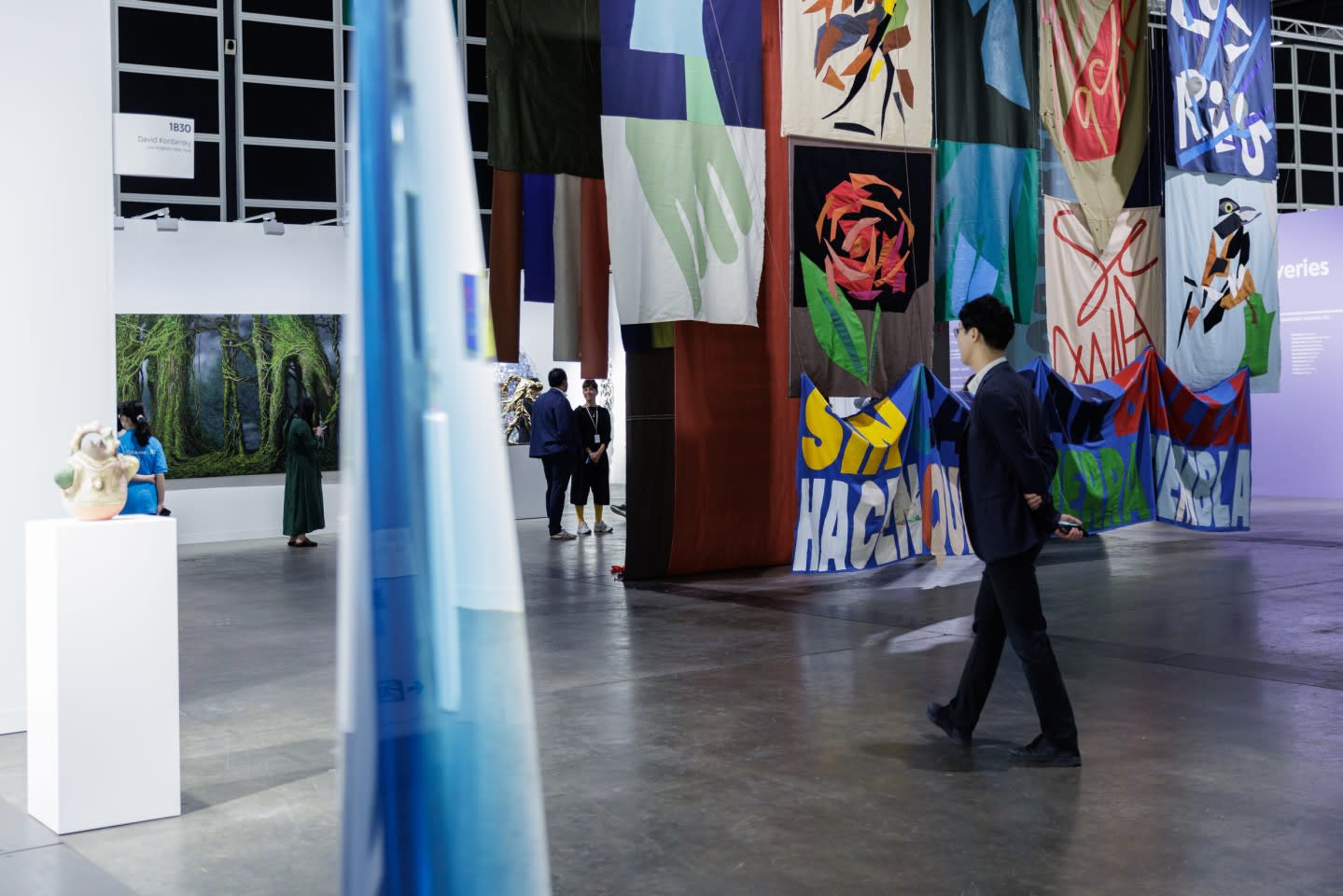
Art Basel Hong Kong’s Encounters sector is undergoing a major transformation this year, with its first-ever collective curatorship by four Asian-based curators. Drawing on Asian cosmological perspectives, the section brings fresh viewpoints centered around the ancient concept of the “Five Elements.”
Courtesy of Art Basel
Art Basel Hong Kong returns to the Hong Kong Convention and Exhibition Centre in late March. Among its most anticipated sections, Encounters, sees a significant change this year.
This year, the Encounters sector is curated collectively for the first time by four Asia-based curators. This cross-regional collaboration injects new energy into the fair and uses the long-standing “Five Elements” (Wu Xing) from Asian cosmology as its core concept. It presents over a dozen large-scale installations, sculptures, and performance works that seek to re-examine ideas of interdependence, harmony, and invisible energies within the context of contemporary art.
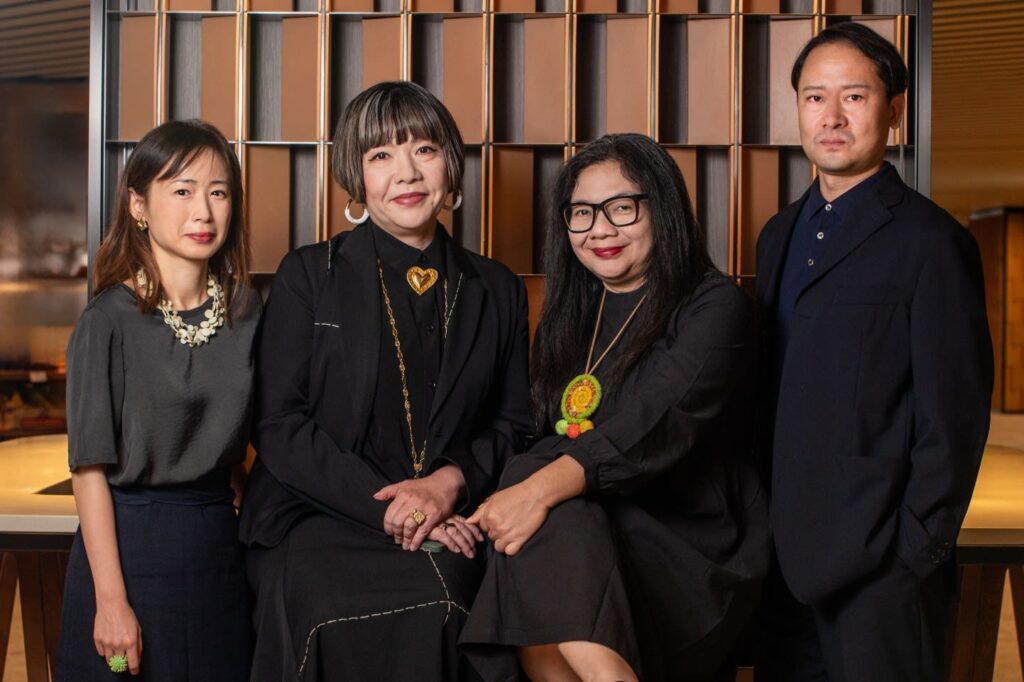
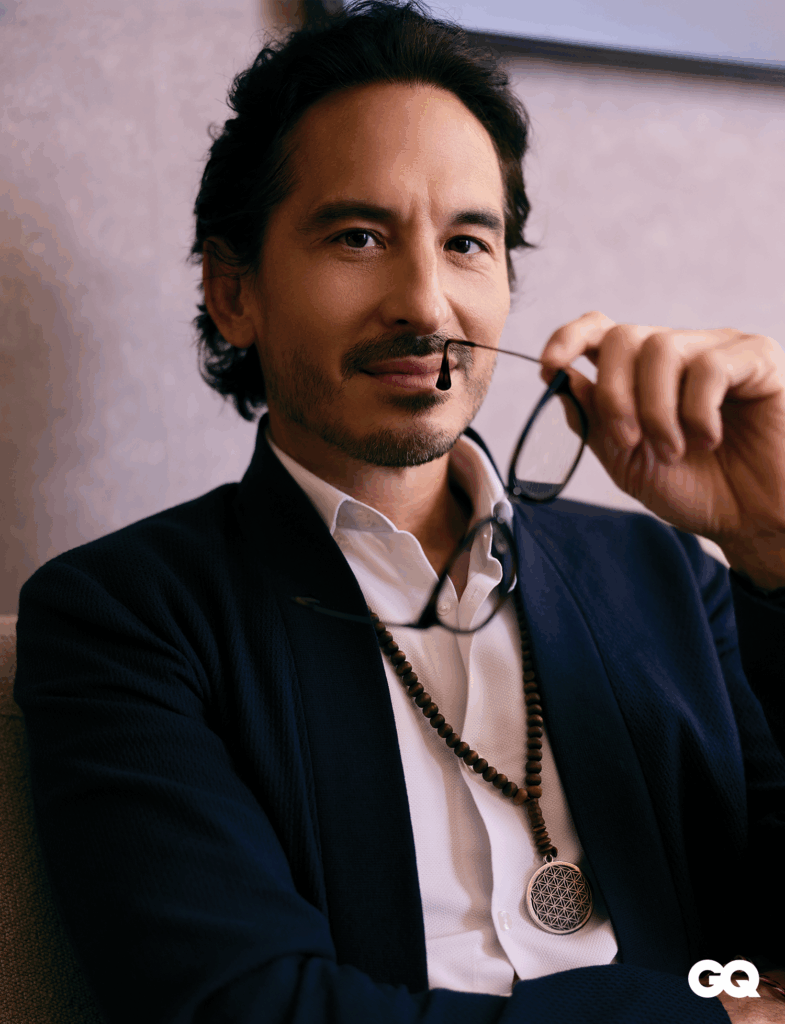
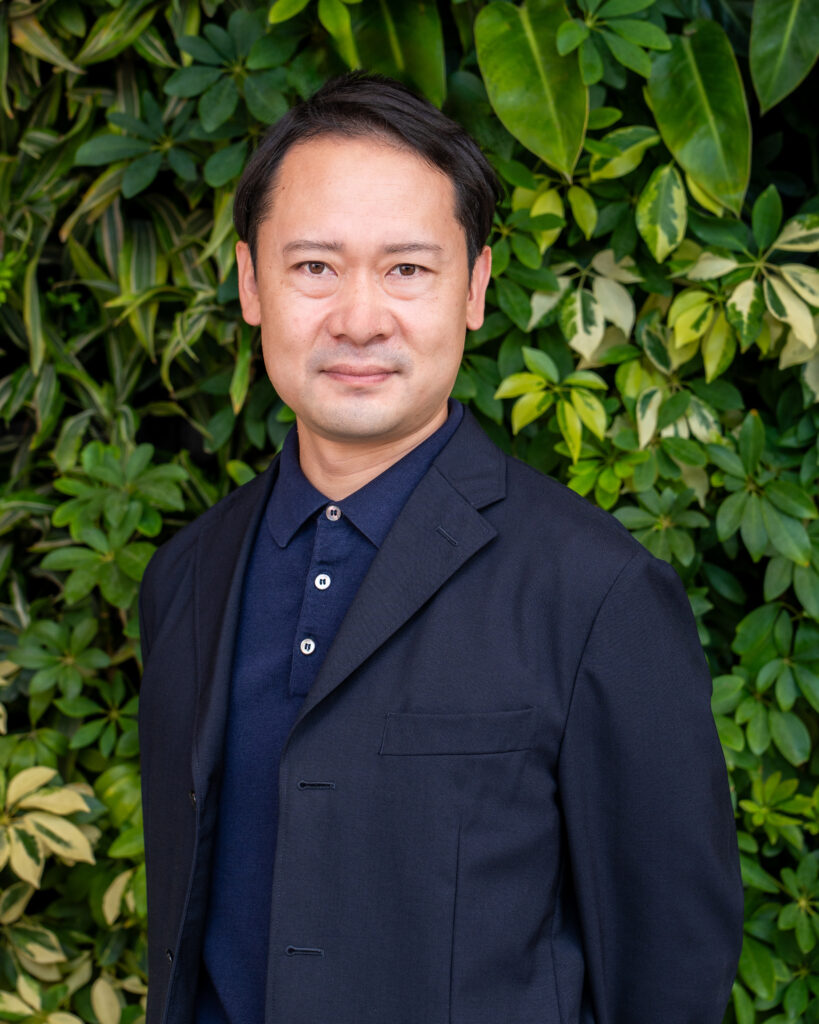
Led by Mami Kataoka, Director of Tokyo’s Mori Art Museum, the curatorial team includes Isabella Tam, Curator of Visual Art at M+ in Hong Kong; Alia Swastika, independent curator, researcher, and writer based in Jakarta; and Hirokazu Tokuyama, Senior Curator at Mori Art Museum. In an interview with GQ Hong Kong, Tokuyama emphasized that the collective curatorship was born out of a desire to amplify the “intimate relationships” each curator shares with the artists. “The most appealing aspect of collaboration is how each curator’s unique connection with the artists brings special elements to the exhibition. Through this partnership, we discover new perspectives and voices, and the resonance created together far exceeds the sum of individual efforts.”
Coming from different cities and backgrounds—Tokyo, Hong Kong, and Jakarta—the four curators naturally bring a richer, more multi-layered dimension to the selection of works. The highlight of this year’s Encounters is its conceptual core inspired by the “Five Elements.” For centuries, the Five Elements have formed a central framework in Asian cosmology, shaping philosophical thought by reminding us of the interdependence between different values, relationships, and the flow of invisible energies. In today’s world, marked by extreme turbulence, division, and frequent conflicts, this ancient wisdom may offer valuable insights into the possibility of coexistence.
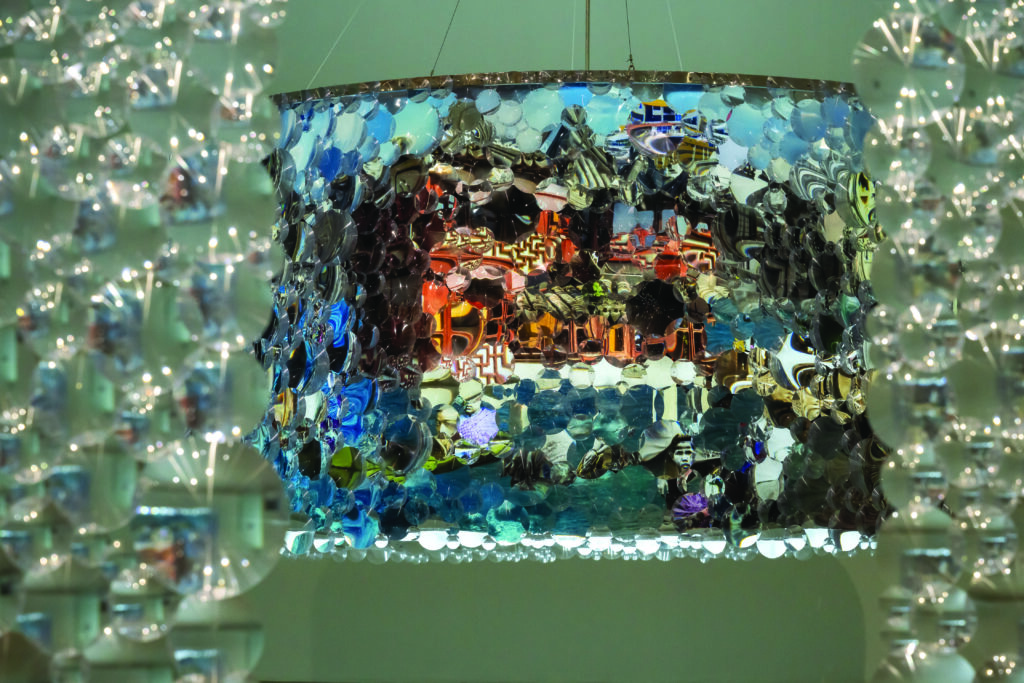
Courtesy of the artist and Gajah Gallery.
GQ: Encounters emphasizes immersive and performative works. What kind of experience do you hope visitors will have in this section?
Hirokazu Tokuyama: Although the booth spaces are inherently limited, large-scale installation works can create an experience within the art fair that feels closer to that of a museum. By contrasting public and private spaces, immersive experiences and broader vistas, visitors can move through different environments. For example, Nobuya Hoki’s work extends from two-dimensional surfaces into three-dimensional space, allowing viewers to walk inside the piece and experience it from multiple angles, leading to fresh artistic insights.
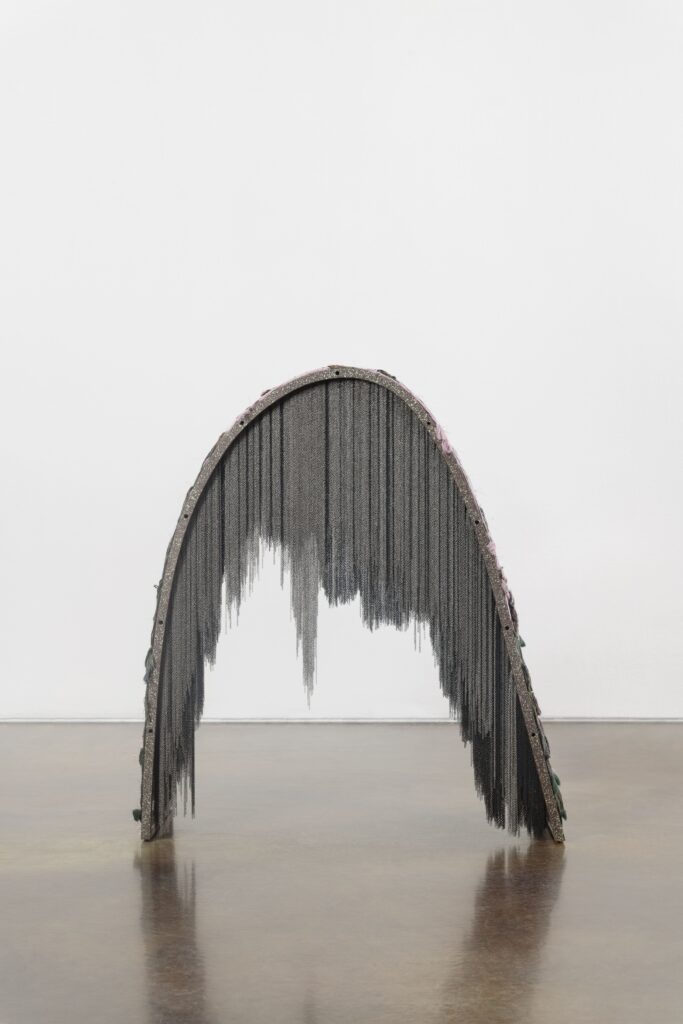
Courtesy of Suki Seokyeong Kang Scholarship of Ewha Womans University and Kukje Gallery
Photo: Chunho An, provided by Kukje Gallery
As a senior curator at the Mori Art Museum, how did your experience influence the selection of works this time?
At the Mori Art Museum, I have the opportunity to curate cross-disciplinary exhibitions that go beyond contemporary art to include architecture, design, technology, and traditional crafts. This diversity has always been a driving force in expanding my perspective. For Encounters this year, I particularly wanted to introduce something new, such as Masaomi Yasunaga’s ceramic works and Christine Sun Kim’s spatial installations.
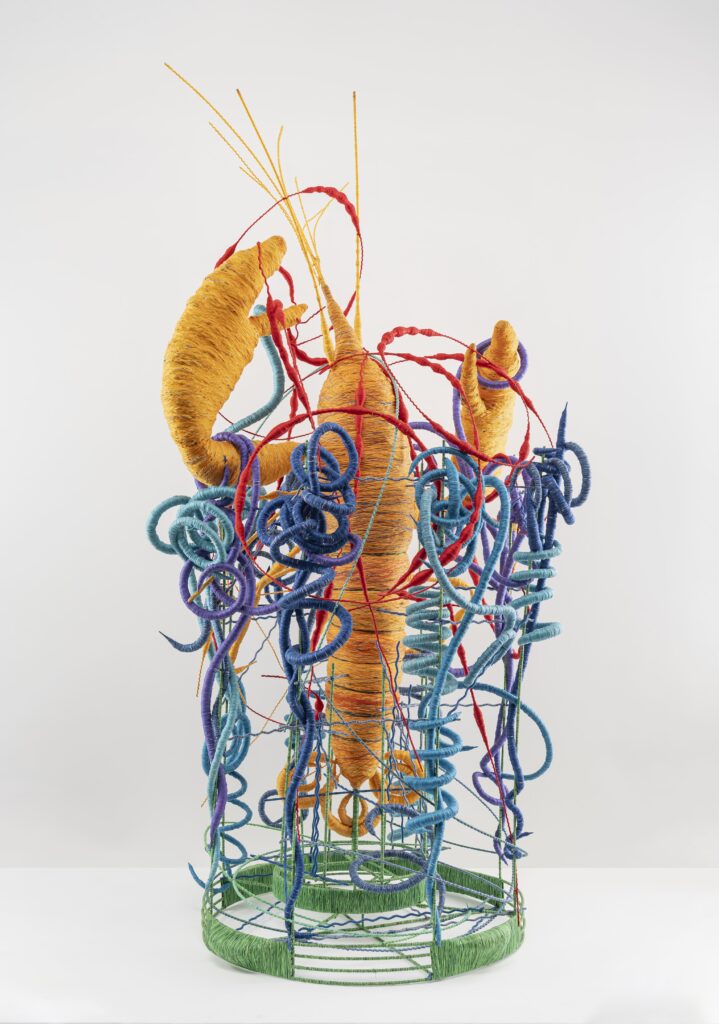
Courtesy of the artist and Tarq.
Could you share some of the highlights of this year’s Encounters sector?
In terms of material innovation, Masaomi Yasunaga’s works stand out. Ceramics is a medium with a long history, yet he creates entirely new forms and textures through his use of glazes, transcending the boundaries between craft and art. He deeply researches traditional techniques and their possibilities, developing a completely new sculptural language. Additionally, works that expand from painting into installation and sculpture are worth noting—they extend from the wall into the entire spatial environment, allowing viewers to experience the art from multiple perspectives.
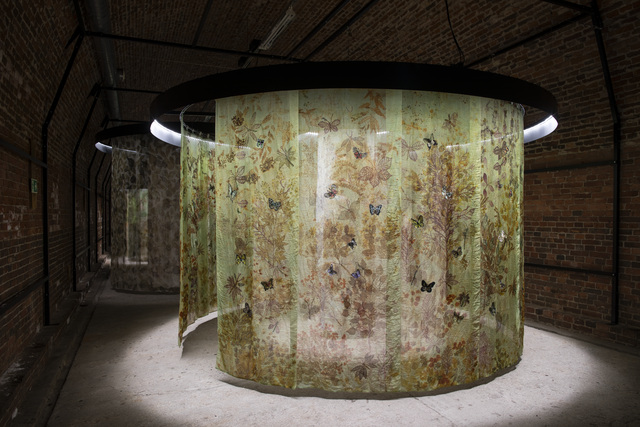
Courtesy of the artist and Silverlens.
Looking ahead, what long-term impact do you hope this experiment in collective curatorship will leave on Encounters or the future of Art Basel Hong Kong?
I hope visitors will reflect on the interdependence and harmony symbolized by the philosophy of the Five Elements. In today’s world full of division and conflict, this ancient wisdom may point toward the possibility of different values coexisting. Furthermore, the expansion of spatial experience—from ancient cave paintings to religious architecture—has always been at the core of art. Contemporary installation art is now using technology and new materials to reconstruct such experiences, and I believe this trend will continue in increasingly diverse forms. At the same time, I hope this model of collaborative curatorship will open up more possibilities for future editions of Art Basel Hong Kong.
Recommended Articles