
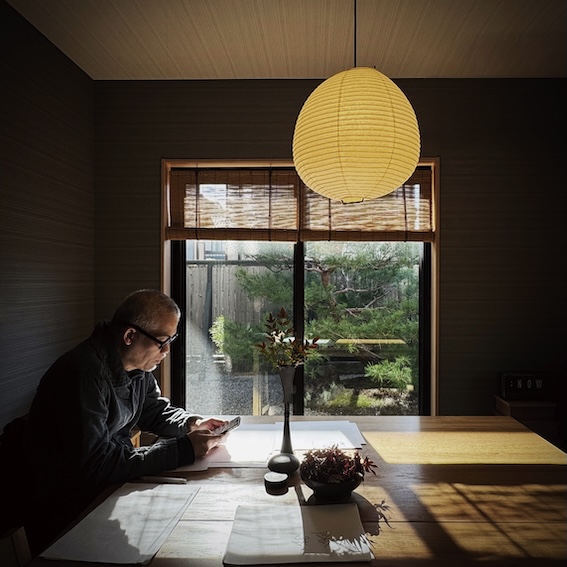
As the base for the second half of Stanley Wong‘s life, this two‑storey Japanese‑style home of about 1,000 square feet looks understated from the outside, but inside it unfolds into a warm amber‑toned world of pine—minimalist yet full of soul. After turning 50, Wong and his wife began to seriously reconsider their future life plans. While most Hongkongers choose to continue the hustle, he longed for change.
In 2014, the Hong Kong Heritage Museum invited Wong to stage a career retrospective. He proposed the theme “Time and Creativity” and curated it himself. The exhibition time will tell 時間的見證 opened in 2019, right at the intersection of social unrest and the pandemic. By then, Wong had already been asking himself “What’s next?” — a question he explored through interviews with 30 art collectives, later compiled into a book. That eight month-long exhibition only deepened his resolve to bring change to his life.
Wong now lives a semi-retired life, participating in only one or two projects that interest him each year. His free time is spent either living in Kyoto or travelling. The couple initially considered Taipei to settle down, drawn to its cultural and artistic atmosphere, but a friend’s purchase of property in Kyoto in 2016 triggered a “chain reaction” that changed everything. “My friend excitedly shared this with us, so we flew to Kyoto out of curiosity to check it out,” Wong explains. However, the original house’s design didn’t suit his taste, so he simply bought a vacant lot next door to build his second home from scratch, thus beginning a new life based out of Kyoto for three or four months every year. “Ten years ago, living in Kyoto was a very unfamiliar concept. Friends would ask me why I often went to Kyoto,” he said. “I always replied, ‘Nothing special, I just want to live life to the fullest.'”
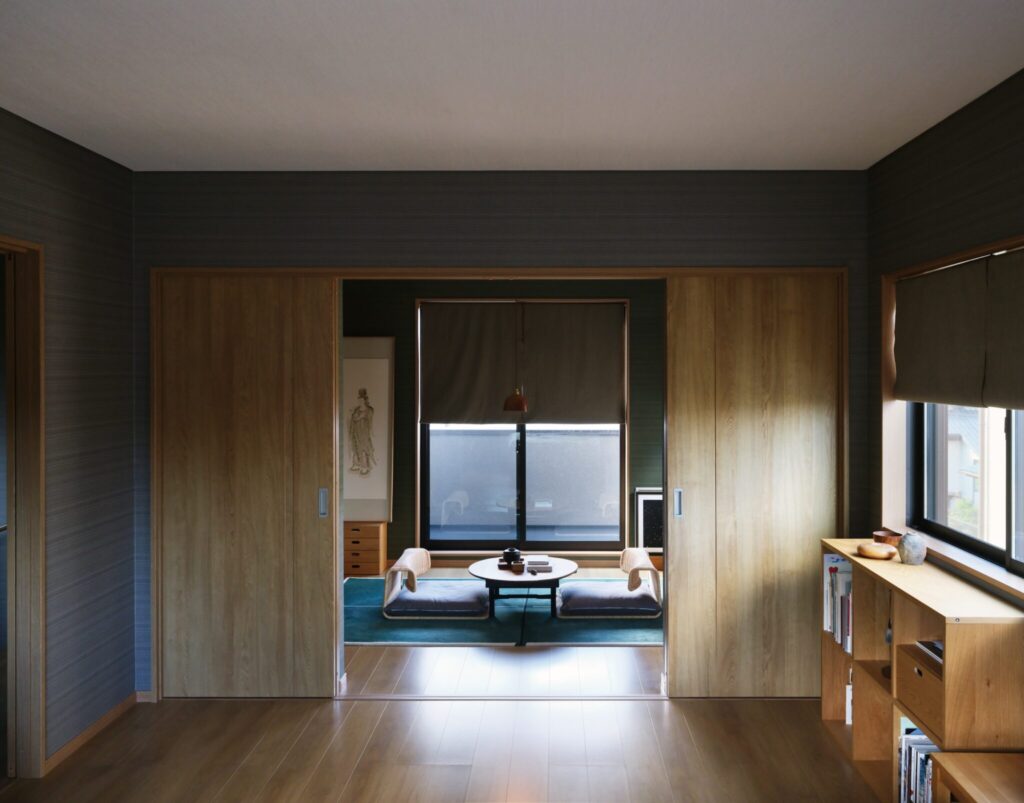
Wong participated in part of the design of this “second home” project, with “respecting the original culture and incorporating personal preferences” at the core of his approach. That meant finding a balance between maintaining a low-key Japanese style on the exterior while adjusting the interior to meet his own needs. Wong also brought his artistic instincts to the fore, discussing various aspects of the house design with the property developer: the layout of the toilets and rooms, purchasing his favorite wallpaper, ensuring the staircase slope was gentle, insisting that all window and door frame lines be aligned, and even specifically making a request for the back garden be particularly spacious, narrowing the front yard area to leave extra land space for the backyard and a pine tree—the focal point of the house. Wong even penned a few sketches to guide the gardening experts in carving out its shape, sharing his ideas on the placement of stones, and the ideal shape of the pine tree.
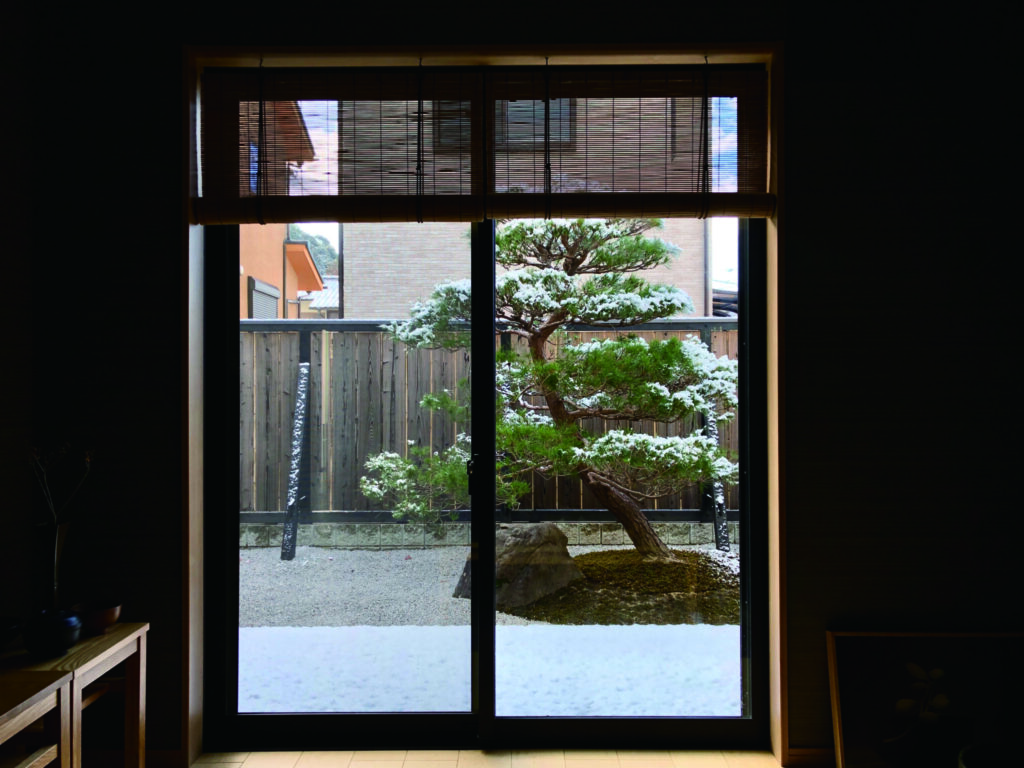
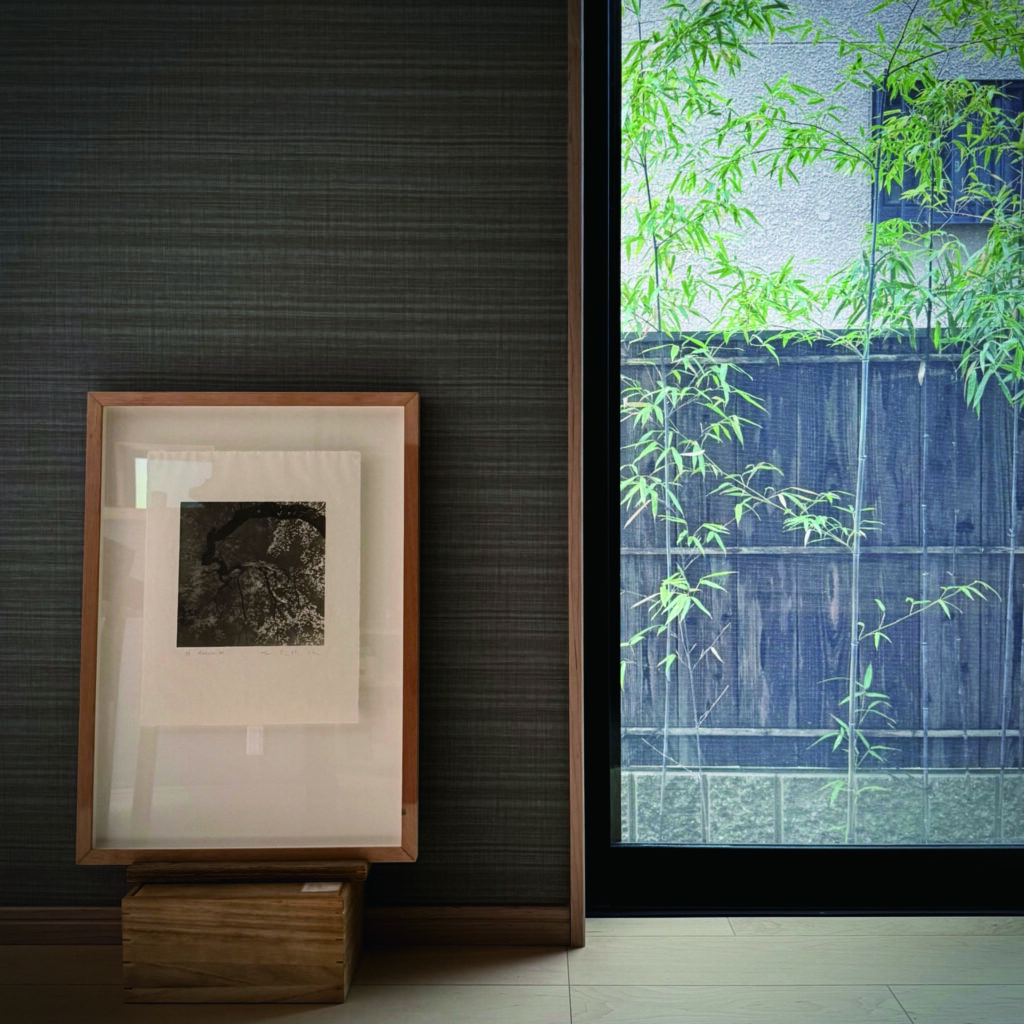
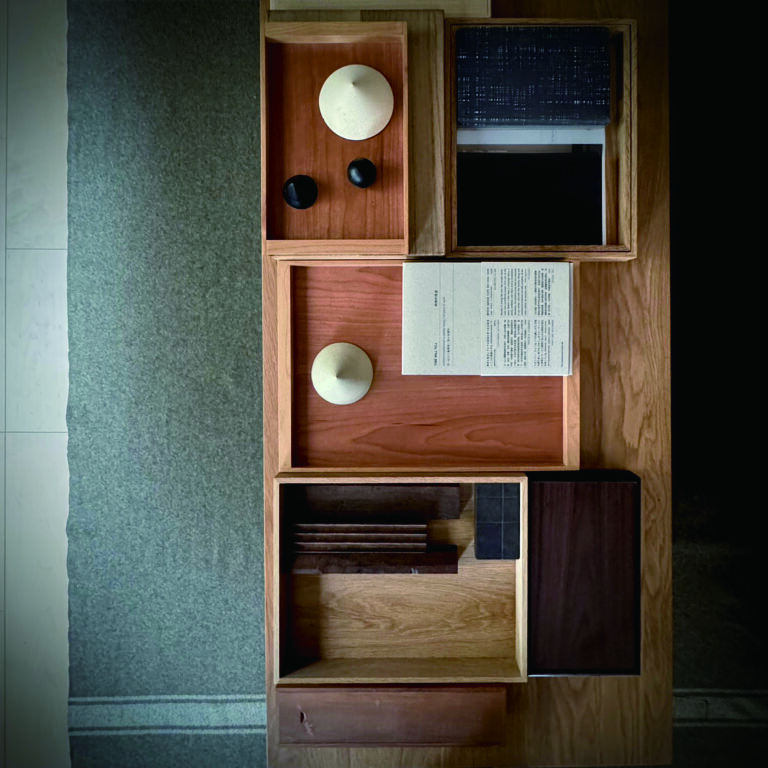
Stepping into the house, the first thing one notices is the atmosphere––minimalist yet warm. The space is primarily crafted from pine wood, and natural sunlight streams in through the windows, bathing the entire house in a warm amber hue. The living room and courtyard are framed to bring nature indoors, with the interplay between light, the view, and the natural outdoor environment serving as the primary design focus. Windows transform into picture frames, capturing the pine trees in the courtyard and documenting the shifting seasons. This enables one to experience ideas of “emptiness” and “impermanence”.
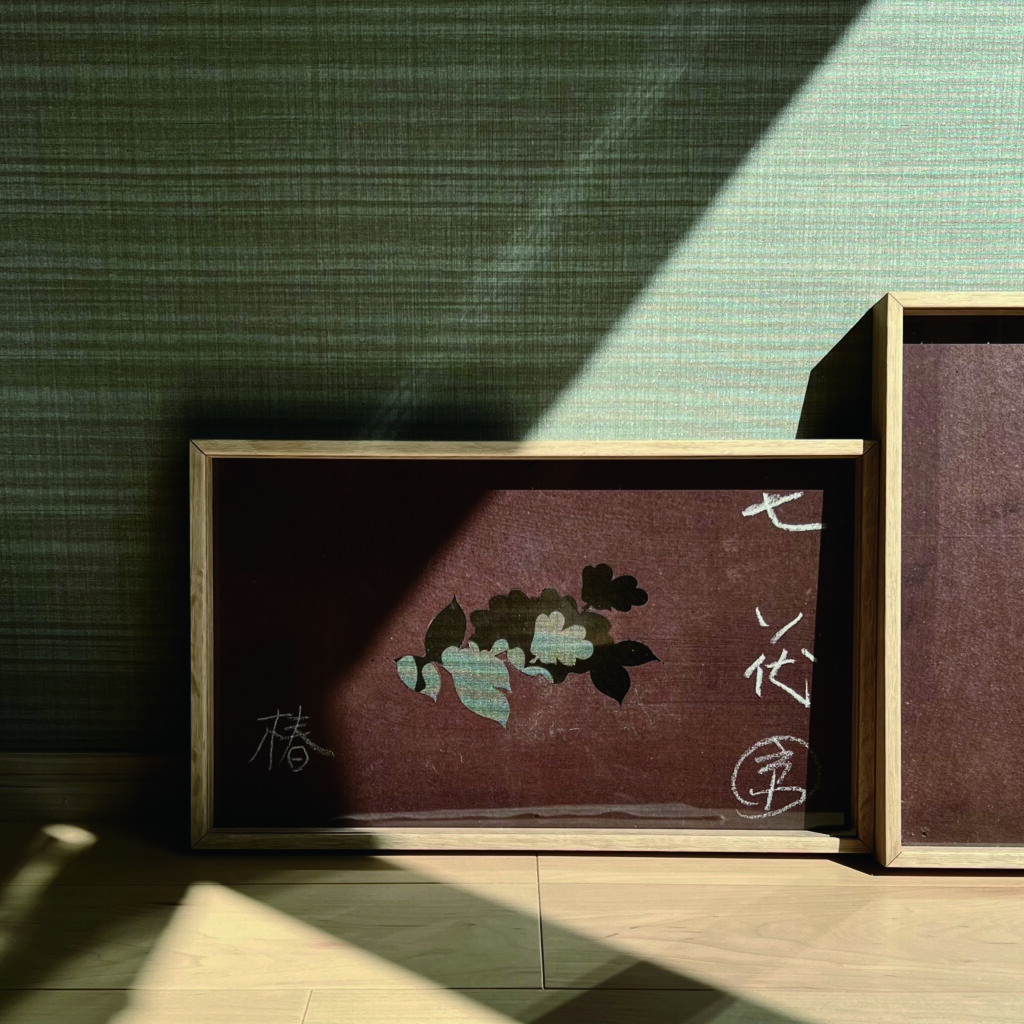
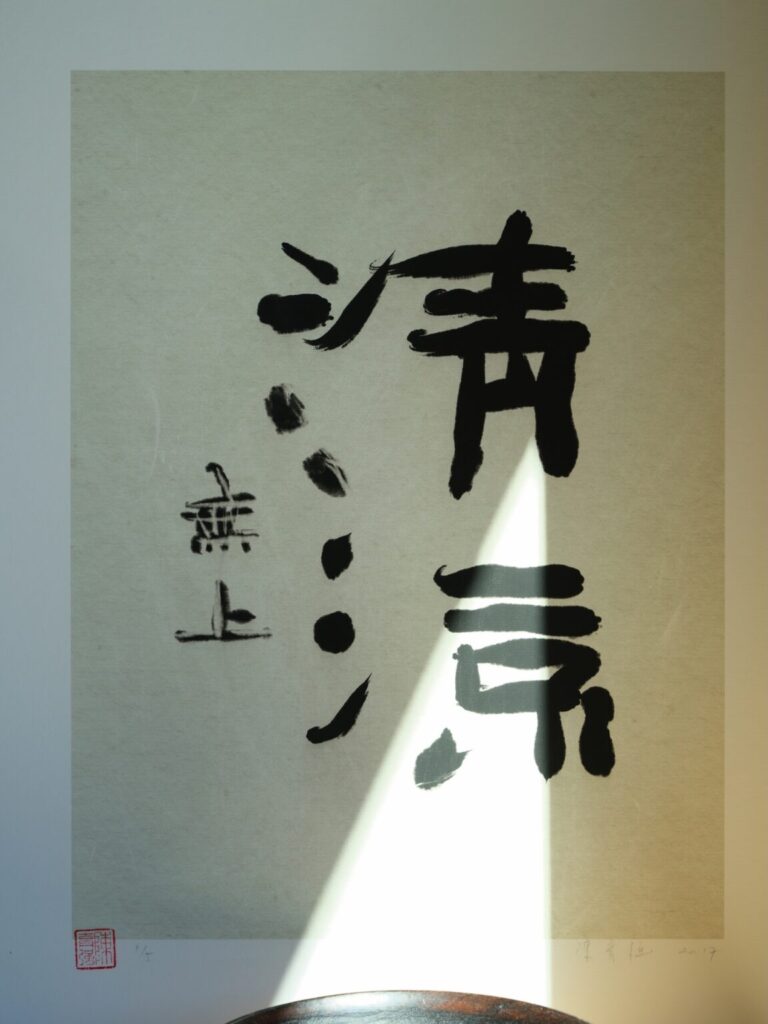
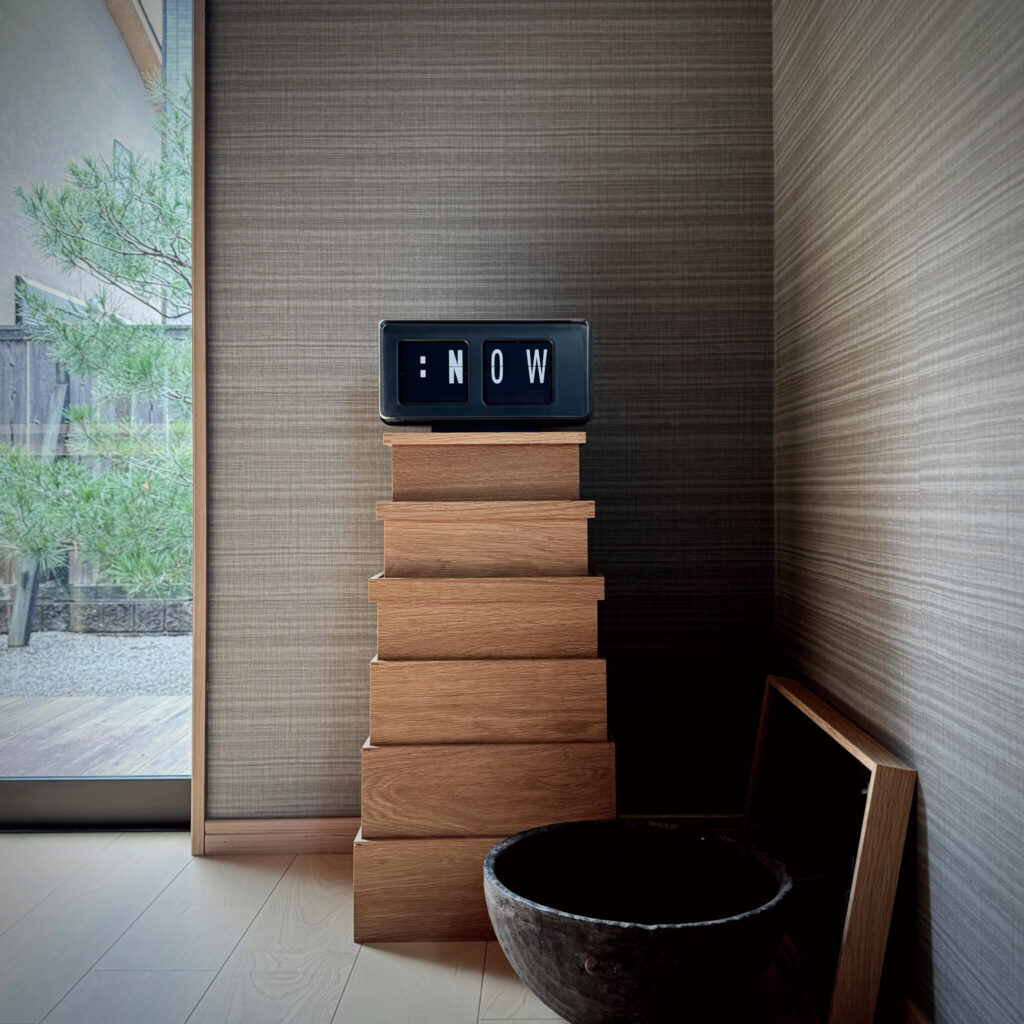
Much of the interior is intentionally left blank, with the colour palette kept restrained and almost no excess decoration. Many of the furnishings and collectibles were sourced in Japan, while a handful of European and African pieces were brought over from Hong Kong to Kyoto by Wong and his wife. Over the course of ten years moving little by little, these items gradually came together into a complete system. The result is a style that blends influences yet remains harmonious.
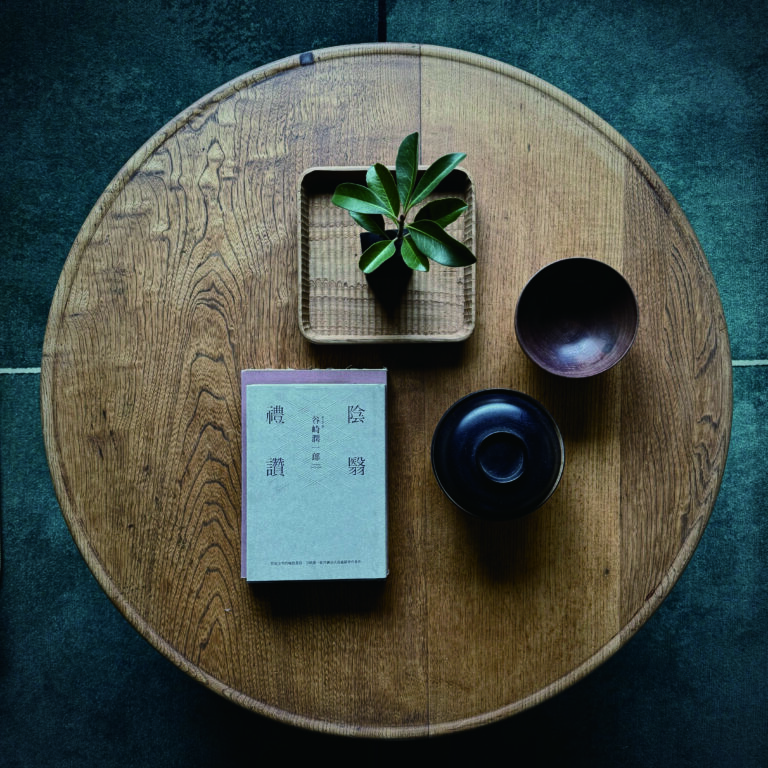
But why choose Kyoto instead of major cities like Tokyo or London? Wong once said in an interview, “I’m a Buddhist, and as I get older, Kyoto feels right.” Behind this statement lies his deep identification with Eastern culture. “I’m a visual creator, a Chinese, an Easterner, and living on Eastern soil is truly different.” London broadened his creative horizons, but his bloodline is inextricably linked to the East, especially the Japanese people’s meticulous attention to detail and poetic dedication, which resonates most with his personal sensibilities.
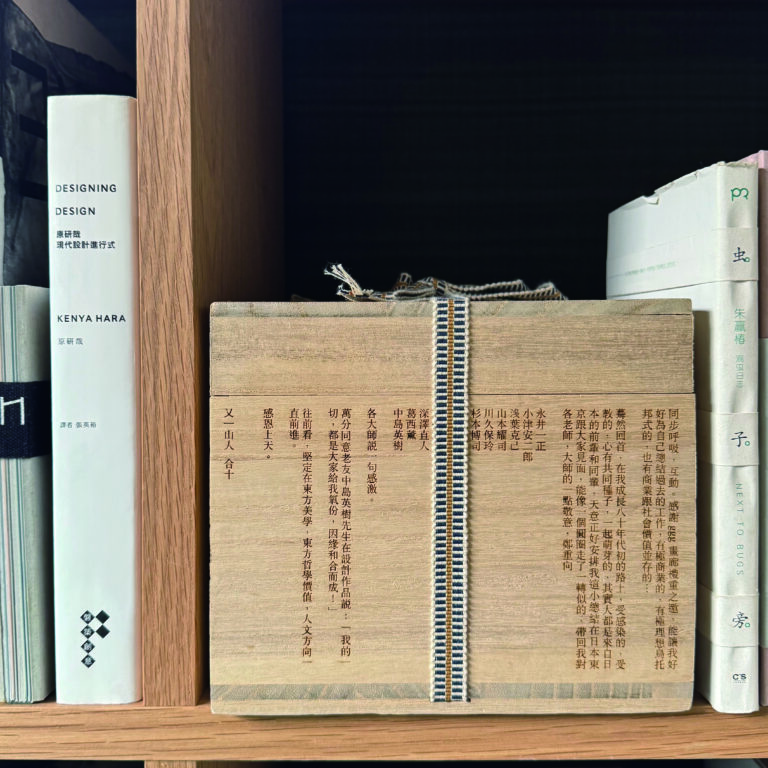
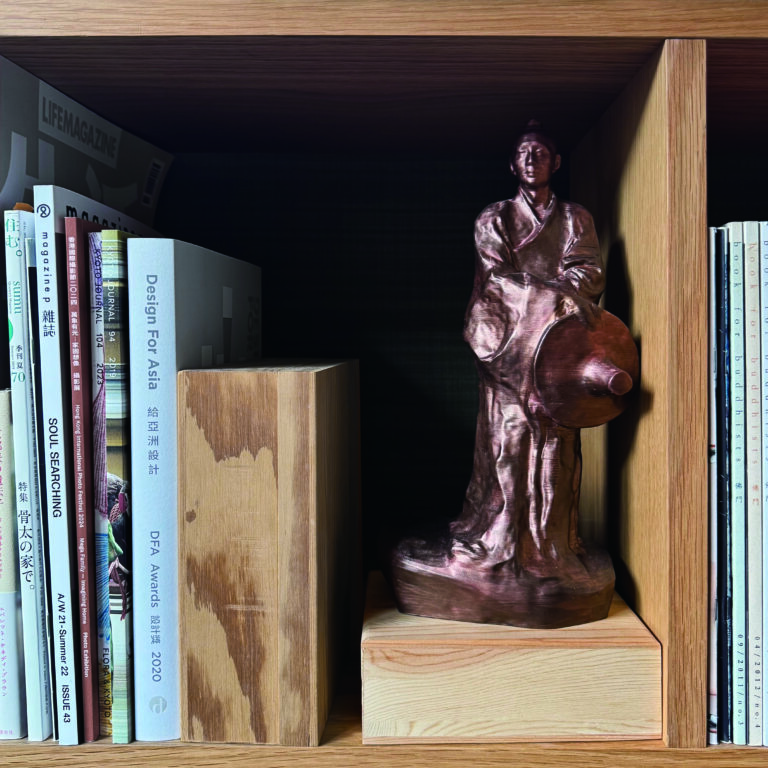
For him, Kyoto represents a dual attraction of spirit and aesthetics: the cultural heritage of an ancient capital, the natural beauty of changing seasons, and the contemporary vitality of a blend of old and new. It is a stark contrast to Hong Kong’s fast space and high density cityscape. Here, there is no cutthroat competition for survival, but rather a distinct energy that makes room for the soul to find its peace. Wong and his wife’s days in Kyoto are extremely spontaneous; with no strict itinerary, everything depends on their mood and the weather. They paint, read, listen to music, cook, eat at home, and gaze at the pine trees in the courtyard. “The spaces we use most often are the living room and the courtyard; being there brings a sense of tranquility.”
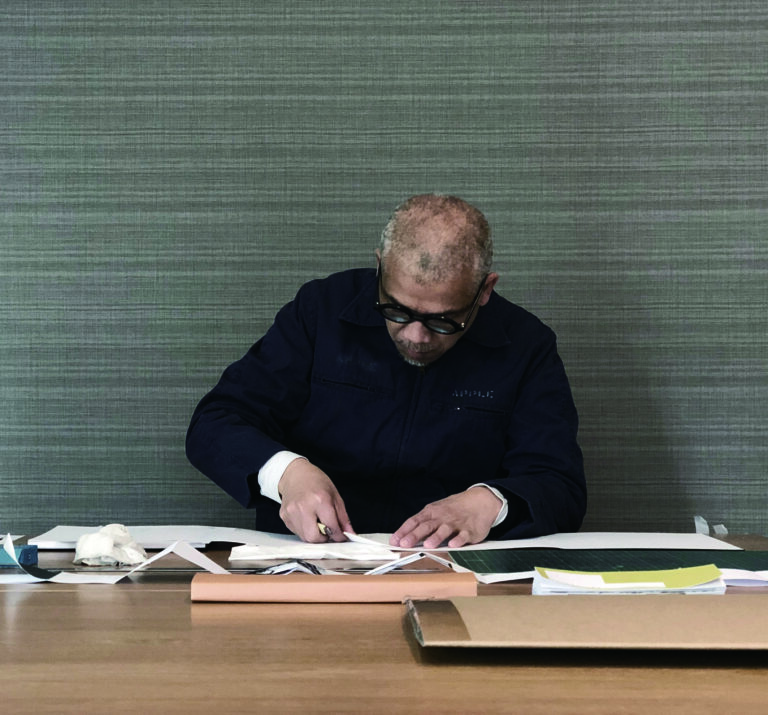
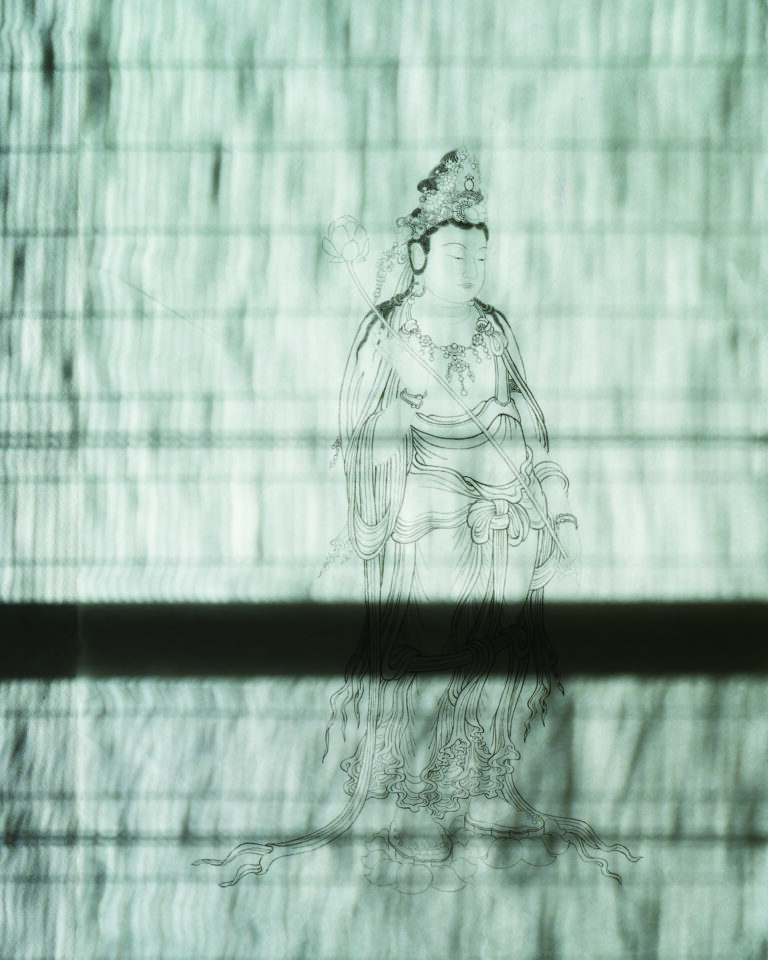
Home is an extension of the spirit, just as much as it is of an artistic journey. Now, with a base in Kyoto, Wong’s identity has shifted: he still carries deep ties to Hong Kong, yet embraces a broader vision and a more transcendent perspective toward the unknown. Similarly, Wong expressed a strong sense of Hong Kong identity in his early works, but after he and his wife became Buddhists in the 2000s, his art began to transform Buddhist concepts into a visual language. He describes his current state of mind with a line from Tao Yuanming’s Drinking Wine saying, “When the heart is distant, the place is naturally secluded”. It is a mindset of detachment, finding peace even amid noise.
For Wong, everything comes down to perspective. “During the pandemic, everyone complained about being restricted from going out, but looking out the window, there was still a blue sky, a vast expanse of sky and sea.” His latest video work, “I See Mountains. They Are Mountains” searches for Zen meaning in the shadows and cracks of urban architecture. “Instead of clinging to how much you possess, let go and embrace all things.”
Images courtesy of Stanley Wong